
Kuinka usein nivelakseli tulisi voidella?
The definitive maintenance guide for UK agricultural & industrial operators — covering grease intervals, recommended lubricants, universal joint care, and the hidden costs of doing it wrong.
✓ Agricultural & Industrial
✓ UK Market Focused
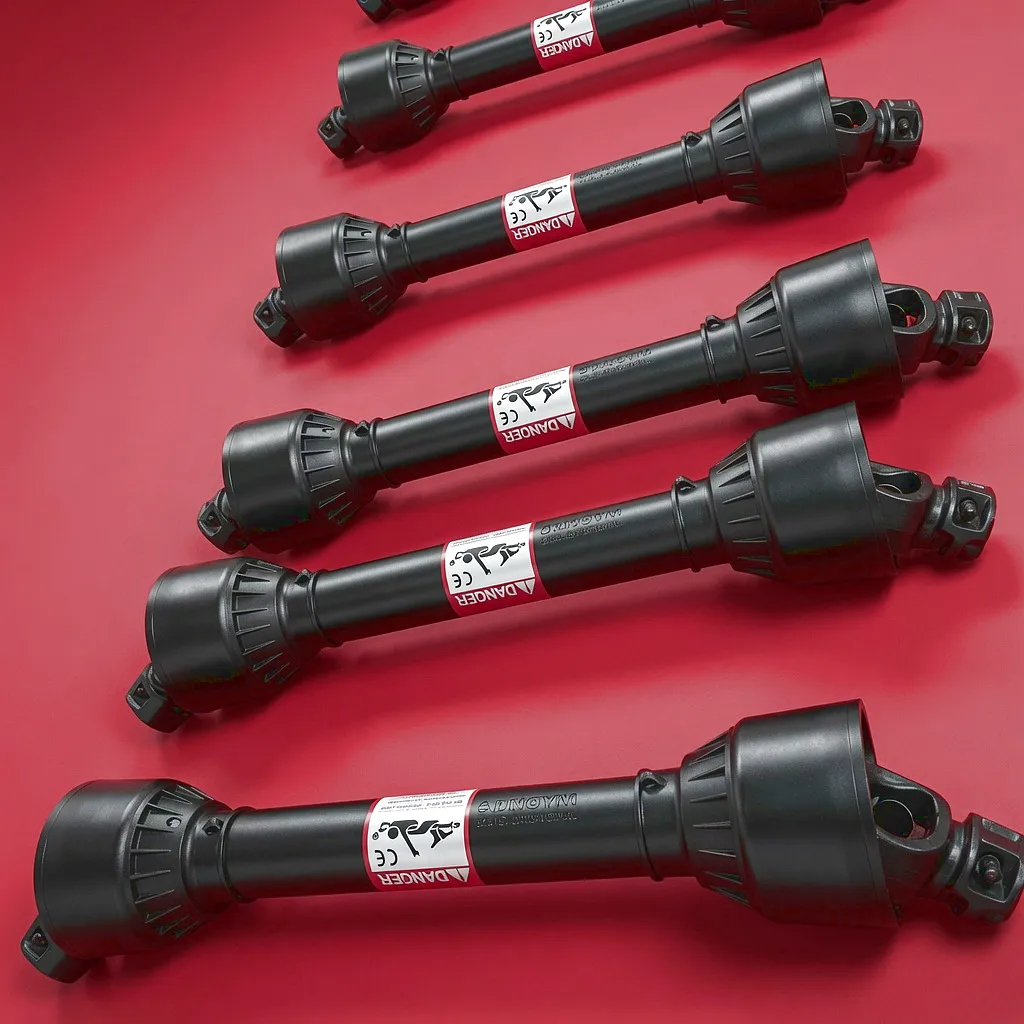 In British farming and industrial manufacturing alike, the PTO drive shaft is the hardest-working link between a tractor or prime mover and its implement. From the cereal fields of Lincolnshire to the silage operations of the Yorkshire Dales, and from the heavy-duty conveyor lines of Sheffield steel plants to the food-processing halls of Birmingham, a PTO shaft turns mechanical power into real-world output — silently, invisibly, and relentlessly. Yet this same component is among the most frequently neglected when it comes to scheduled lubrication. Operators who would never skip an oil change on their tractor engine often go entire growing seasons without a single pass of a grease gun over the universal joints and sliding profiles of the shaft. The consequences range from a mildly irritating squeak to a catastrophic mid-harvest failure that grounds an entire fleet.
Why Lubrication Is the Single Most Important Maintenance Step for Any PTO Drive Shaft
The Correct Greasing Intervals for PTO Drive Shafts — by Operating Condition
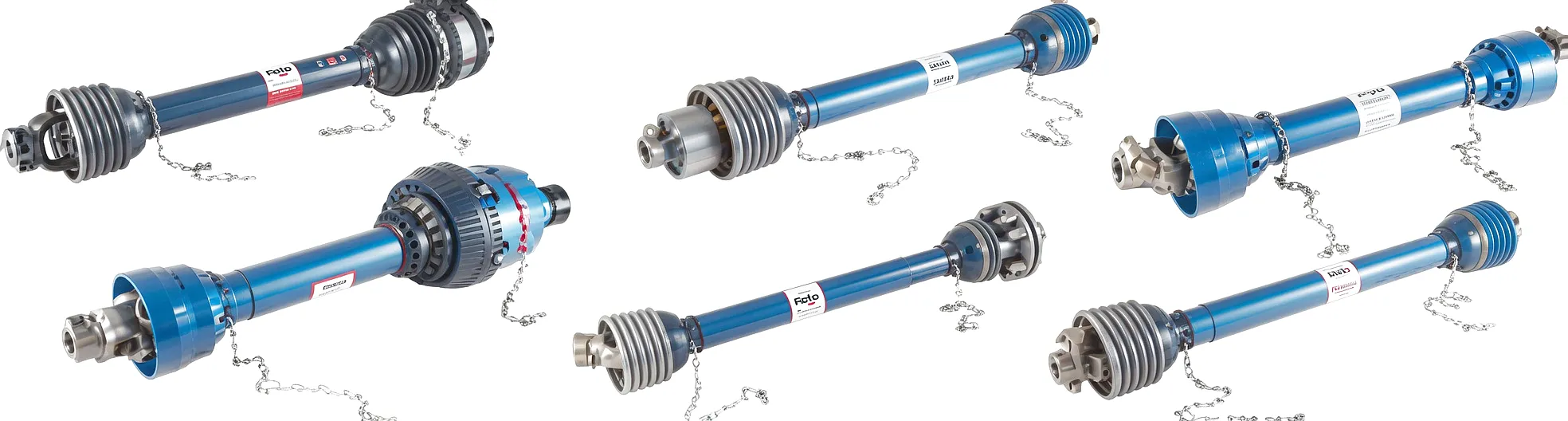
There is no single grease interval that applies universally to every PTO drive shaft in every application. The correct frequency depends on the operating hours per day, the working angle of the universal joints, ambient temperature, soil and dust contamination levels, and whether the shaft is running close to its rated torque capacity or at light load. That said, clear benchmarks have been established by shaft manufacturers and service engineers across decades of field data, and they provide a reliable framework for any UK operator to work from.
| Operating Condition | U-Joint Interval | Sliding Tube Interval | Remarks |
|---|---|---|---|
| Light duty (<4 hrs/day, <10° joint angle) | Every 8–10 operating hours | Every 8 hours | Seasonal equipment, light cultivation |
| Standard agricultural (4–8 hrs/day, 15–20° angle) | Every 6–8 hours | Every 6 hours | Balers, mowers, slurry pumps |
| Heavy duty (>8 hrs/day, 20–25° angle, high torque) | Every 4–6 hours | Every 4 hours | Rotary tillers, stump grinders, forage harvesters |
| Industrial continuous-duty (>20° angle, factory floor) | Every 4 hours or per shift | Every 8 hours | Conveyors, presses, mixers |
| Wet / contaminated environments (UK field, coastal) | Every 4 hours (minimum) | Every 4 hours | Rain, mud, salt spray accelerate washout |
UK Field Note: British weather conditions — particularly the persistent dampness and clay-heavy soils found across Lincolnshire, East Anglia, and the Welsh Borders — mean that grease is washed or diluted from bearing surfaces far faster than in dry continental climates. UK operators should always err toward the shorter interval in the table above rather than the longer one.
Choosing the Right Grease — Not All Lubricants Are Equal
Lithium complex or polyurea-based NLGI #2 grease is the industry standard for most PTO drive shaft applications. It offers good adhesion, water resistance, and mechanical stability across a broad operating temperature range — typically -25°C to +130°C, well within UK ambient and frictional heat conditions.
For high-torque shafts driving rotary cultivators, stump grinders, or industrial presses, an EP-rated grease with sulphur-phosphorus additives provides a sacrificial protective layer under shock loading. EP grease prevents welding of the needle roller ends during torque spikes and is strongly recommended for any shaft operating above 60% of its rated torque capacity.
Avoid mixing grease types — calcium, lithium, polyurea, and calcium sulphonate thickeners are frequently incompatible and can become fluid or separate when combined. Never use wheel-bearing grease with low water resistance on components exposed to British rain and mud. Avoid WD-40 or penetrating oils as a substitute; they penetrate but provide no lasting lubricant film under rotational load.
The sliding profile of a PTO drive shaft benefits from a slightly different specification than the universal joints. While the joints themselves operate under rotary needle roller contact, the splined or profiled inner and outer tubes telescope under axial force. A heavier NLGI #3 grease or a moly-disulphide (MoS2) enriched product is sometimes preferred for sliding tubes in high-contamination environments, as the lamellar structure of the molybdenum additive provides a low-friction dry film that bridges gaps in the grease film during extreme conditions. Several suppliers serving the Sheffield and Birmingham manufacturing districts stock these specialist blends specifically for industrial PTO shaft applications.
Step-by-Step: The Correct Method for Greasing a PTO Drive Shaft
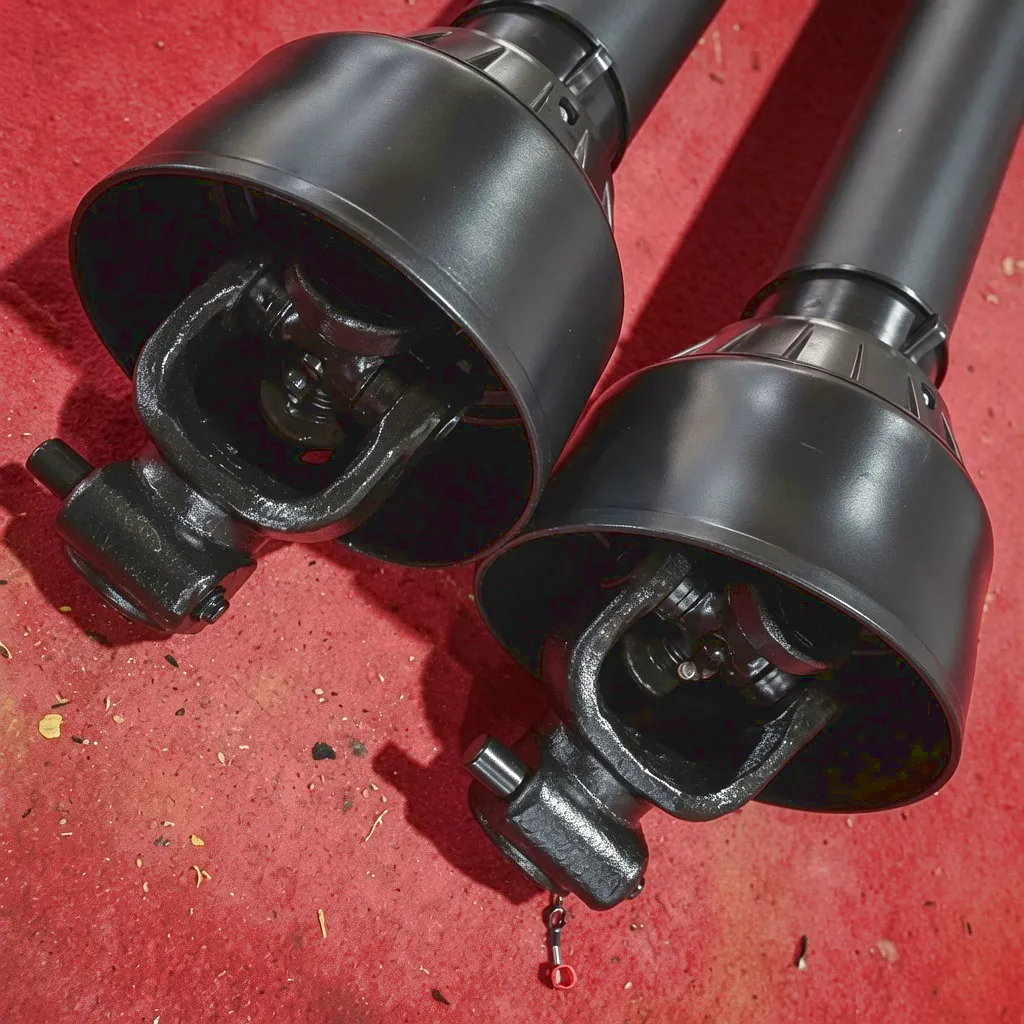
Greasing a PTO drive shaft correctly takes no more than five minutes per shaft, but doing it incorrectly — wrong point, too little grease, wrong sequence — can leave bearings just as dry as if the task had been skipped entirely. The following procedure reflects best practice for standard agricultural shafts with two universal joints and one sliding tube, covering the four to six grease nipples typically found on such a unit.
PTO Drive Shaft Technical & Performance Parameters
The design of the shaft directly influences how aggressive a greasing schedule must be. Higher torque capacity, greater working angles, and longer tube overlap all affect bearing stress and lubricant depletion rates. The table below summarises the principal parameters that operators and procurement engineers in UK agricultural machinery dealerships and industrial maintenance teams should be aware of.
| Parametri | Standard-sarja | Heavy Duty Series | Industrial Series |
|---|---|---|---|
| Nimellisvääntömomentti (Nm) | 200–1,200 | 1,200–4,500 | 4,500–12,000 |
| Max Operating Speed (RPM) | 540 / 1,000 | 540 / 1,000 | 100–750 |
| Max Working Angle (degrees) | 25° | 20° | 15° |
| Cross Journal Diameter (mm) | 22.0–42.0 | 42.0–68.0 | 68.0–160.0 |
| Tube Profile Options | Square / Triangular | Lemon / Star | Splined / Gear |
| Material (cross & yoke) | 20CrMnTi (case-hardened) | 20CrMnTi / 40Cr | 42CrMo4-seosteräs |
| Pintakäsittely | Yellow zinc chromate | Black electrophoresis | Phosphating + EP coat |
| Grease Nipple Count | 4–5 | 5–6 | 6–8 |
| Recommended Grease Grade | NLGI #2 Li-complex | NLGI #2 EP Li-complex | NLGI #2-3 MoS2 EP |
Industrial and Agricultural Application Scenarios for PTO Drive Shafts Across the UK
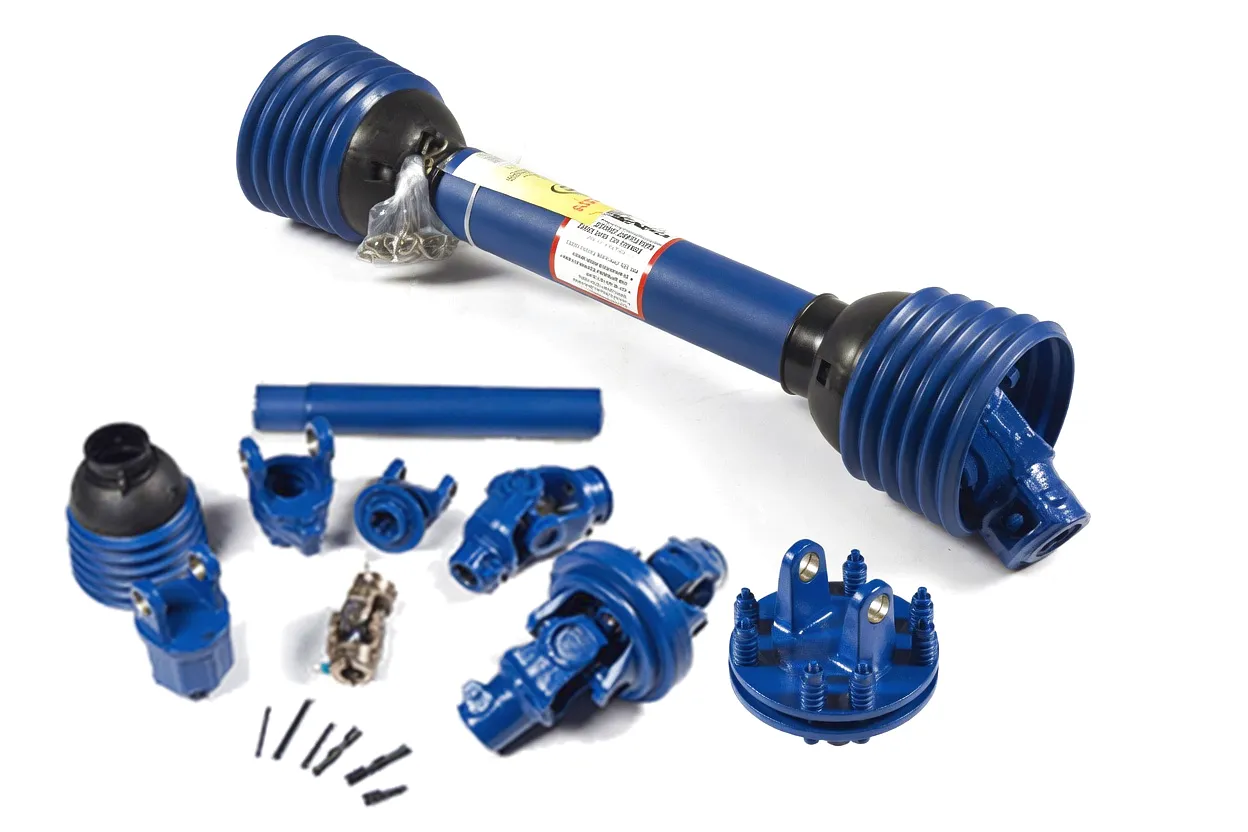
The PTO drive shaft is not a one-sector component. Across the breadth of British industry and agriculture, it functions as the torque spine of dozens of different machine types. Each application imposes different duty cycles, angular demands, and environmental exposure, all of which dictate how aggressively the shaft must be maintained.
Rotary cultivators, power harrows, and seed drills across the cereal-growing regions of East Anglia, Lincolnshire, and the East Midlands rely on PTO shafts operating at 1,000 RPM through deeply compacted soils. The combination of constant shock loading and heavy soil contamination demands a 4-hour greasing cycle during intense spring and autumn cultivation periods.
Round balers, forage wagons, mowers, and tedders active across the permanent grasslands of Yorkshire, Devon, and the Welsh Marches subject PTO shafts to sustained high-speed operation through dense, wet crop material. The wet and frequently muddy working conditions in these areas make every-6-hour greasing the sensible minimum during peak silage cutting and hay-making seasons.
Stump grinders and flail mowers operating in woodland management and roadside vegetation programmes across the UK impose severe shock torque that can reach four to six times the nominal load in an instant. PTO shafts in these applications should be greased every four hours without exception, and the universal joints inspected for any signs of play or roughness at every greasing interval.
In the manufacturing heartlands of Birmingham and Sheffield, PTO-type drive shafts couple gearboxes, motors, and conveyors on production lines running double or triple shifts. These industrial applications combine continuous duty with high ambient temperatures and the challenge of oil mist or metal particle contamination. A per-shift greasing protocol (every 8 hours) is standard in well-maintained facilities, supported by a formal PSSR-compliant written maintenance record.
Irrigation pump sets and slurry tankers operate in inherently wet environments and are particularly prone to rapid grease washout. In these applications, sealed-for-life bearing caps may seem attractive, but the trade-off is that any intrusion of contamination cannot be purged by fresh grease. Where greaseable designs are used — which Ever Power recommends for maintainable long-term service — a 4-hour interval during active pumping seasons is the prudent schedule.
Wood chippers, biomass shredders, and pelletising machines found increasingly across UK rural estates and energy cooperatives impose some of the most demanding torque spikes in the entire PTO application landscape. The shock loading from encountering knots, large branches, or dense hardwood material can be extreme. Heavy-duty PTO shafts in these machines typically run with integrated overrunning clutches — but the bearing joints must still be greased every 4 hours regardless.
Ever Power — Precision PTO Drive Shaft Manufacturing & Custom Solutions
Supplying UK agricultural dealers, industrial OEMs, and direct end-users with engineered PTO shafts built to exact specification — with a greasing architecture designed for maintainability from day one.
✉ Request a Custom Quote — [email protected]
Typical response within one working day for UK enquiries
Customer Success Story — Sheffield Food Processing Plant, South Yorkshire
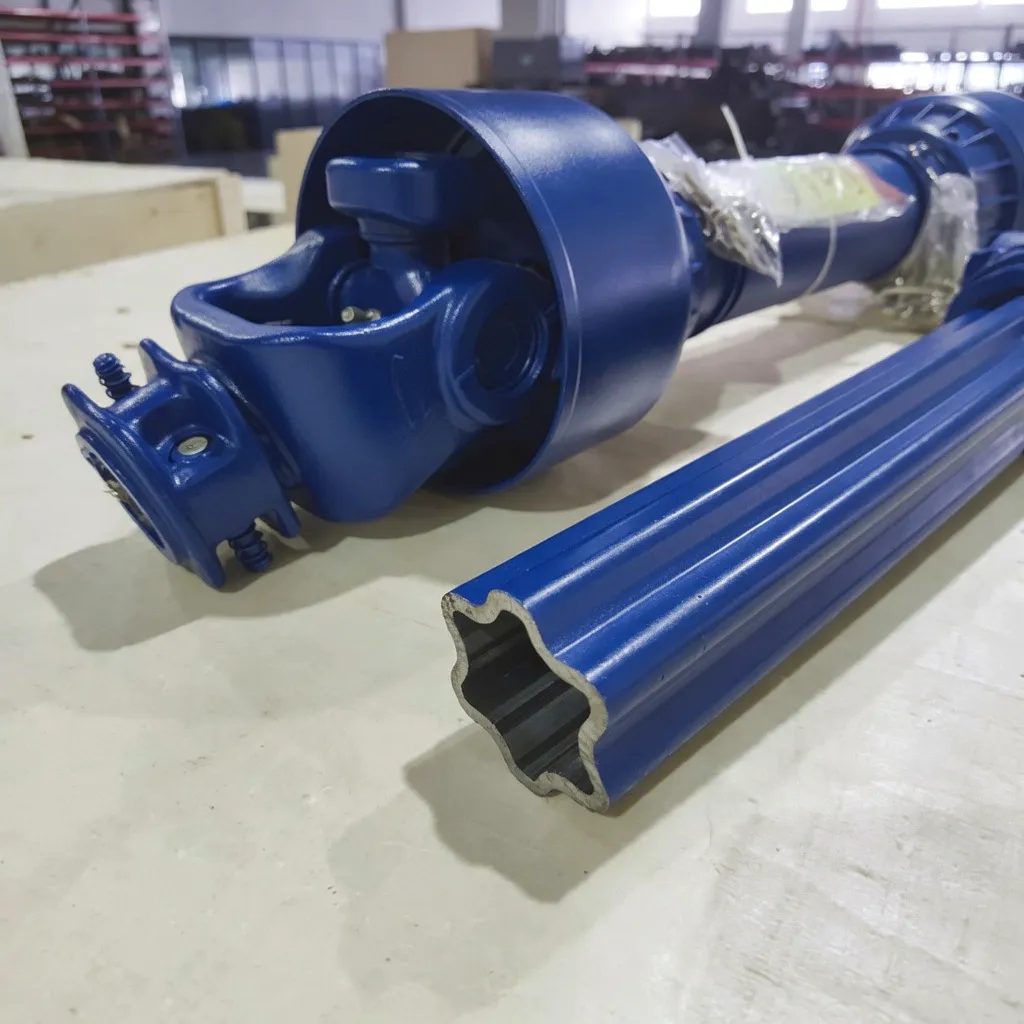 A large-scale food processing and cold store facility in Sheffield had been running a fleet of fifteen PTO-coupled mixing and conveying systems for over seven years using shafts from a budget supplier. Despite the plant’s engineering team following the supplier-recommended 8-hour greasing cycle, they were replacing universal joint crosses on average every six months — generating roughly £9,000 per year in component costs alone, plus an estimated £14,000 in production downtime across the fleet.
The plant maintenance manager contacted Ever Power through a UK agricultural machinery distribution partner in 2023. After reviewing the shaft specifications and running conditions — ambient temperatures between -5°C and +12°C in the chilled zones, continuous 10-hour shift operation, and working angles ranging from 8° to 22° across the different mixing lines — Ever Power’s engineering team proposed a redesigned shaft package. This incorporated 42CrMo4 alloy steel crosses with black electrophoresis anti-corrosion treatment, sealed bearing caps with secondary labyrinth seals for moisture resistance, and a revised greasing architecture using six dedicated nipple positions rather than the standard four, allowing complete coverage of the bearing cups without any re-positioning of the shaft.
After twelve months of operation with the Ever Power shafts and a revised 6-hour greasing protocol using NLGI #2 EP lithium complex grease, the plant had replaced zero universal joint crosses across the entire fleet. The maintenance manager confirmed annualised savings of approximately £21,400 across reduced component purchasing and recovered production time.
What UK Customers Say About Ever Power PTO Drive Shafts
“We farm 1,800 acres near Lincoln, so the power harrow and baler shafts take some serious punishment every spring and autumn. Ever Power rebuilt our spec around our actual operating hours, not a generic catalogue entry. The greasing interval guidance in the documentation they shipped is the most detailed I’ve seen from any supplier. Twelve months in and the joints are running as smoothly as they came out of the box.”
“We run wood chippers on estate maintenance contracts across the Peak District — it’s about the worst possible environment for a Voimanottoakseli. The Ever Power heavy-duty series with the MoS2 grease-specified sliding tube has genuinely transformed our maintenance overhead. We carry two spare shafts in the van now purely as peace of mind, not because they fail. That’s quite a change from before.”
“We procure PTO shafts for a range of agricultural OEM customers out of Birmingham. Getting custom bore sizes and non-standard lengths at competitive prices with UKCA-compliant documentation used to take us three or four suppliers to piece together. Ever Power handles all of it under one roof, with lead times that actually work for production scheduling. The cost of getting the right custom shaft the first time is far less than the cost of a field failure.”
Warning Signs That a PTO Drive Shaft Is Not Receiving Enough Lubrication
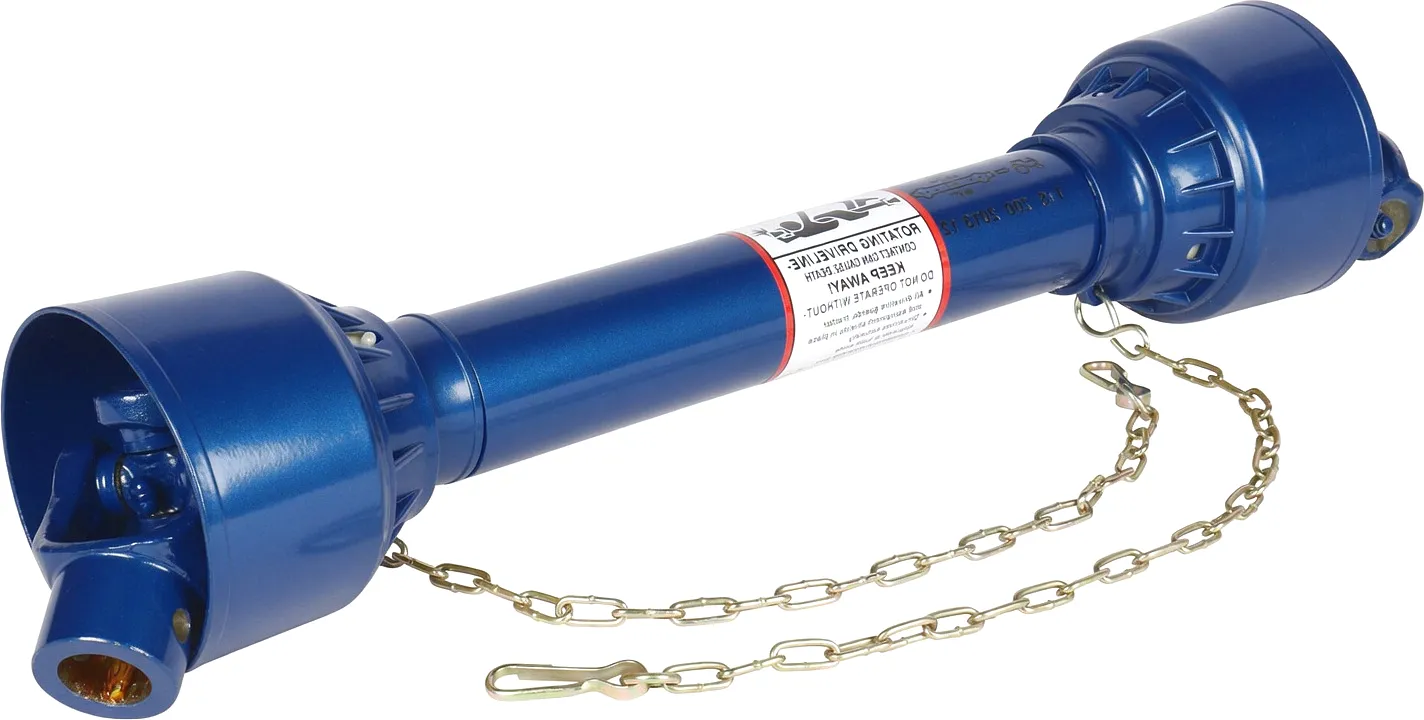
Even operators with the best intentions sometimes miss a greasing interval, and some shafts are inherited from previous owners or machinery lots where the maintenance history is unknown. Being able to read the warning signs of insufficient lubrication early is the difference between a cheap and quick bearing replacement and a complete shaft rebuild or emergency harvest stoppage. The following indicators should trigger an immediate inspection and greasing of the affected shaft.
A worn or dry universal joint with pitting on the needle roller surfaces introduces angular velocity irregularities — perceived as a vibration or rumble through the tractor seat and steering wheel, particularly at low speed.
A dry universal joint cross produces a rhythmic clicking or knock that accelerates with shaft speed. This is the needle roller assemblies running on a lubrication-starved surface and should never be ignored.
Brown or reddish seepage from the bearing cap seal indicates that water has penetrated and displaced the grease film. The bearing is actively corroding and must be inspected and re-greased immediately.
If the inner and outer tubes resist telescoping movement by hand, the splines are dry and likely corroded. Do not operate the shaft in this condition — force will transfer to the yokes and universal joints.
Grasp the shaft close to the universal joint and attempt to flex it laterally. Any detectable play beyond the slightest movement indicates that the bearing cups or journals are worn and the cross assembly should be replaced before further use.
Carefully touching the universal joint area immediately after stopping (once the shaft is stationary) should reveal only slight warmth. Excessive heat — enough to be uncomfortable to touch — signals severe lubrication breakdown and bearing distress.
Frequently Asked Questions — PTO Drive Shaft Greasing & Maintenance
Get a detailed technical proposal from Ever Power’s engineering team — covering shaft series, greasing specification, material certification, and competitive pricing for UK delivery.
[email protected] | Ever Power UK PTO Drive Shafts
gzl:n muokkaama