
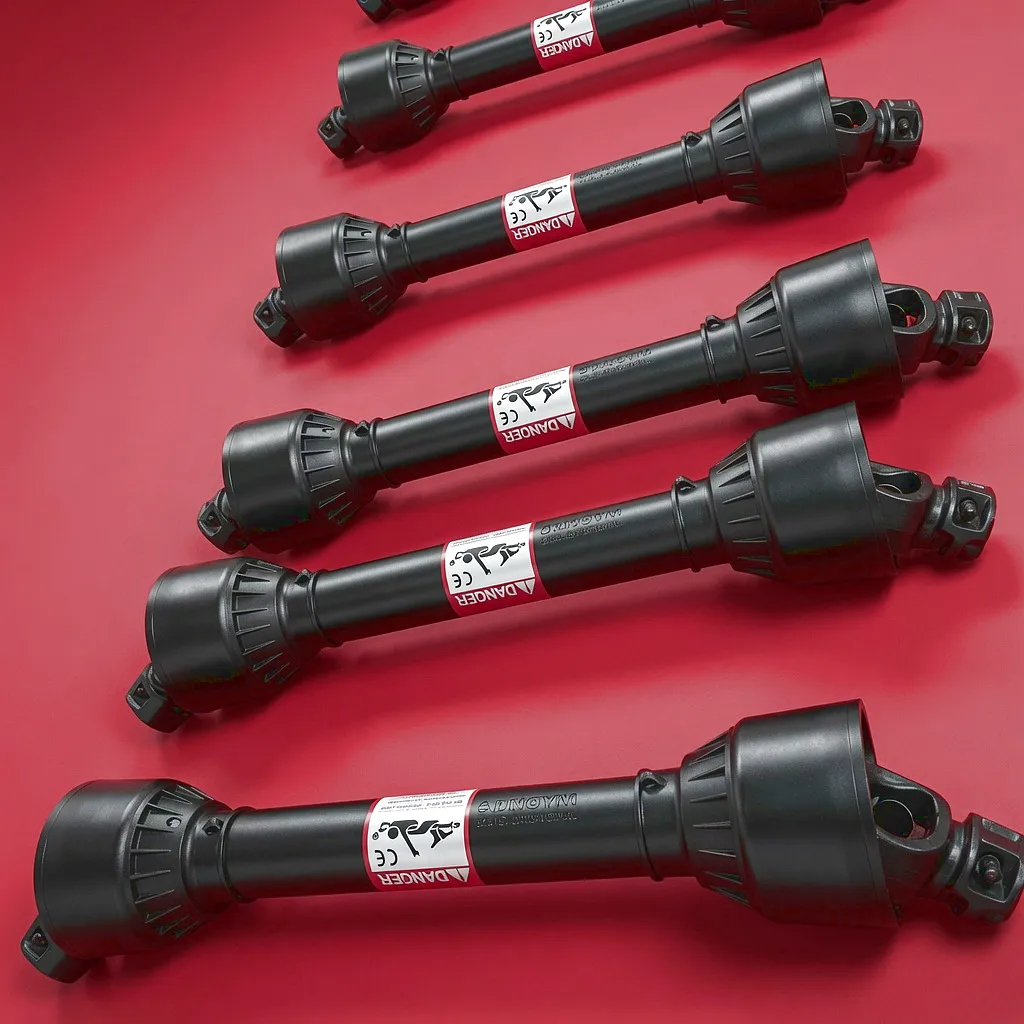
 A PTO drive shaft transfers rotational power from a tractor or prime mover directly to an implement — whether that is a muck spreader on a Lincolnshire farm, a wood chipper servicing forestry estates in Scotland, or a compressor driving extraction equipment in a Yorkshire mining operation. The shaft operates under high torque, variable angles, and relentless cyclic stress. Inside every assembly, there are bearings, spline interfaces, cross journals, and sliding tubes that depend entirely on consistent lubrication to stay within design tolerances. When a single grease nipple is overlooked, wear begins within hours, and within weeks, a component that should last a full working season becomes a liability that can cost significantly more in unplanned downtime than a season of preventive maintenance ever would.
Understanding the Full Anatomy Before Locating Grease Points
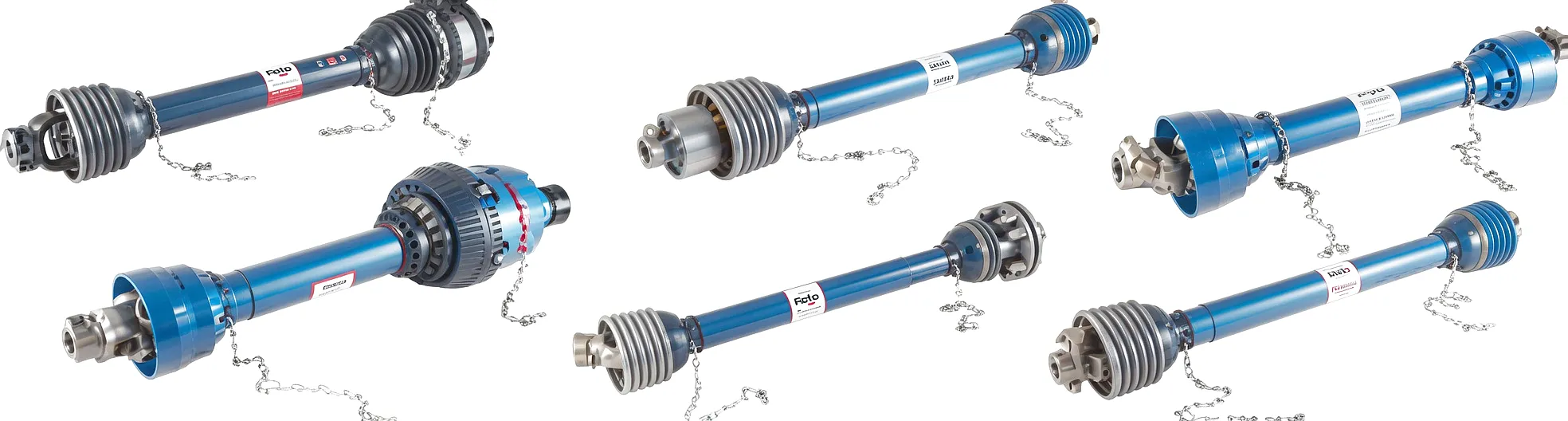
Before mapping each lubrication point, it helps to understand what a PTO drive shaft actually consists of. The assembly is not a single rod but a multi-component mechanical system designed to transmit torque across variable angles and varying lengths. At each end sits a universal joint — a cross-shaped journal bearing arrangement that allows angular misalignment between the tractor output shaft and the implement input. Connecting the two universal joints is a telescoping tube assembly: an inner profile tube slides inside an outer tube, allowing the shaft to extend or contract as the implement moves relative to the tractor. The entire rotating assembly is enclosed in a non-rotating safety guard — a plastic or steel shroud that prevents entanglement. Each of these components, specifically the universal joints, the sliding tubes, and in some configurations the slip clutch if fitted, contains one or more dedicated grease nipples.
In the UK agricultural market, shafts are predominantly rated by PTO category according to ISO 500, with Category 1, Category 2, and Category 3 being the most widely encountered across farms in Shropshire, Nottinghamshire, and Devon. Higher-category shafts carry greater torque and are built with correspondingly more robust bearing journals — which means more grease capacity is needed and intervals may differ. Industrial variants used in manufacturing facilities in Birmingham or engineering workshops around Sheffield may follow different standards but retain the same fundamental grease point locations.
Universal Joints (UJs)
Cross-journal bearings at both ends; most critical grease points on the shaft.
Telescoping Spline Tube
Inner/outer sliding interface; requires grease along the spline length for smooth extension.
Slip Clutch (Where Fitted)
Friction disc assembly requiring periodic inspection; some designs include a central grease point.
Guard Bearing Cradles
Where guard cradles contact the rotating shaft; some shafts include grease-able support rings.
Location 1 — Universal Joint Cross Journals: The Highest-Priority Grease Point
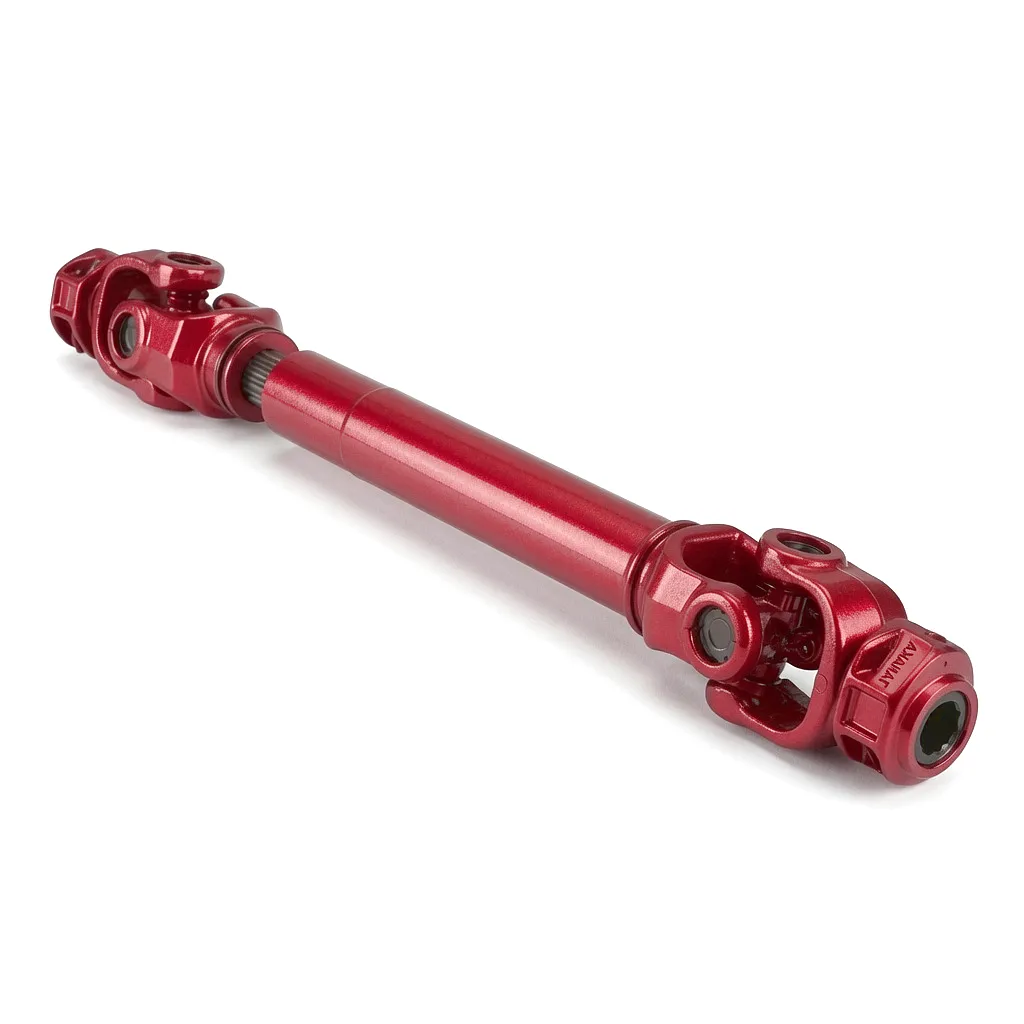 The universal joint is the single most mechanically demanding component on any PTO drive shaft assembly. It bears the full transmitted torque while simultaneously accommodating angular misalignment that can vary second by second as a tractor traverses uneven ground. At the centre of each universal joint sits a cross-shaped spider, the four trunnions of which are seated in needle roller bearing cups held inside yoke bores. These bearing cups are what rotate continuously against the trunnion surfaces, and without an uninterrupted film of lubricant separating metal from metal, fretting wear begins immediately and accelerates exponentially with temperature.
On the vast majority of PTO drive shafts sold into the UK market — whether for tillage equipment around Peterborough, bale handlers on farms in Herefordshire, or power harrows used across the heavy soils of Suffolk — the cross spider carries a single grease nipple positioned at the centre of the cross, accessible from one side of the joint. This nipple feeds a central drilling inside the cross spider body, which branches out to small radial channels leading to each of the four needle bearing cups. Pumping grease through this single nipple distributes fresh lubricant to all four cups simultaneously, which is why correct grease volume matters greatly: too little leaves the upper cups unlubricated, too much causes seal blowout and contaminant ingress.
Standard service practice in UK agricultural operations is to apply grease every eight to ten operating hours under normal field conditions. On drives that run at high angles — such as those found on articulated trailers or offset implements — the interval should be shortened to every four to six hours because angular velocity differentials between the trunnion and cup surfaces are greater, increasing heat generation and grease displacement. Use a good-quality lithium complex grease at NLGI Grade 2 minimum. If the shaft operates in environments with water ingress, such as irrigation equipment or outdoor machinery in the wet UK seasons, a water-resistant EP (extreme pressure) grease rated for heavy-duty applications is strongly advised.
Maintenance Note: After greasing, rotate the shaft slowly by hand or at low PTO speed for 30 seconds so that grease distributes fully to all four needle cups before returning to working load.
Location 2 — Telescoping Spline Tube: Greasing the Sliding Interface
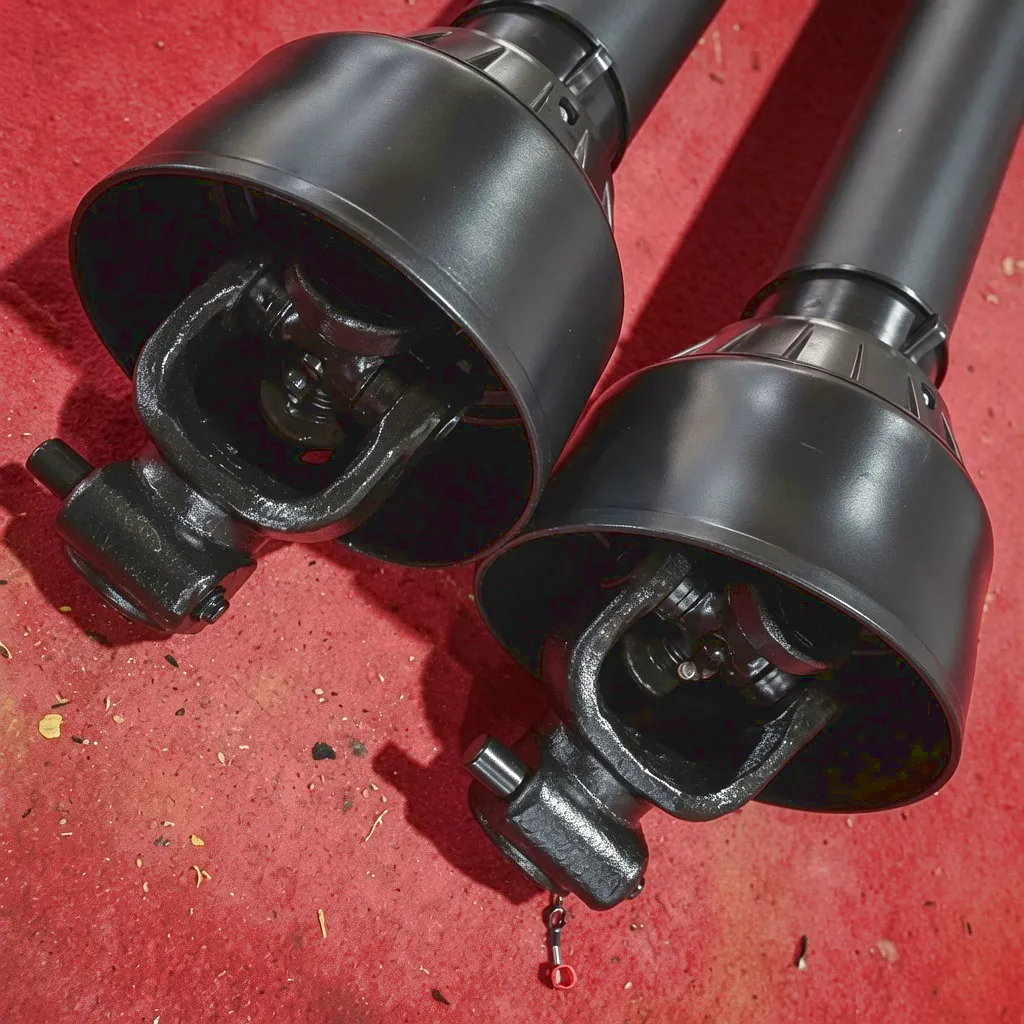
The telescoping spline assembly — comprising an inner tube that slides within an outer profile tube — allows the PTO drive shaft to change its effective length as the tractor and implement move relative to each other. On a cultivator turning at headlands, on a slurry tanker being hitched and unhitched across a Derbyshire farm, or on a mulcher working on slopes in the Pennine uplands, this sliding interface cycles constantly. The external splines on the inner tube mesh with the internal splines of the outer tube, transmitting torque across the sliding connection while still allowing axial movement. When this interface runs dry, the spline flanks score into each other, generating metal debris, reducing length-adjustment capacity, and introducing rotational play that compromises balance across the entire drive line.
The grease nipple on the spline tube assembly is typically located at one end of the outer tube — often near the tube end cap or within a dedicated grease collar fitted around the outer tube. Some designs route the nipple through a small boss on the side of the outer tube body. When using a grease gun at this point, apply grease until a small amount begins to emerge from the sliding interface at the far end of the tube, indicating that the full spline length has been coated. This should be done every twenty-five to thirty operating hours under normal conditions, though in high-cycling applications — where the tube extends and retracts frequently — reduce the interval to fifteen hours.
Use a moly-fortified or graphite-enhanced grease for spline tube lubrication where possible. The additives form a protective boundary film on the spline tooth flanks that persists even if the bulk grease film is displaced by high contact pressures during peak torque events. In the UK, many operators transitioning from older shaft designs to modern precision-manufactured units from Ever Power notice immediately that the spline tubes require less frequent greasing because the tighter manufacturing tolerances allow grease to remain in contact with the spline flanks rather than migrating out of the interface under centrifugal force.
Location 3 — Slip Clutch Assembly: Lubrication with Caution
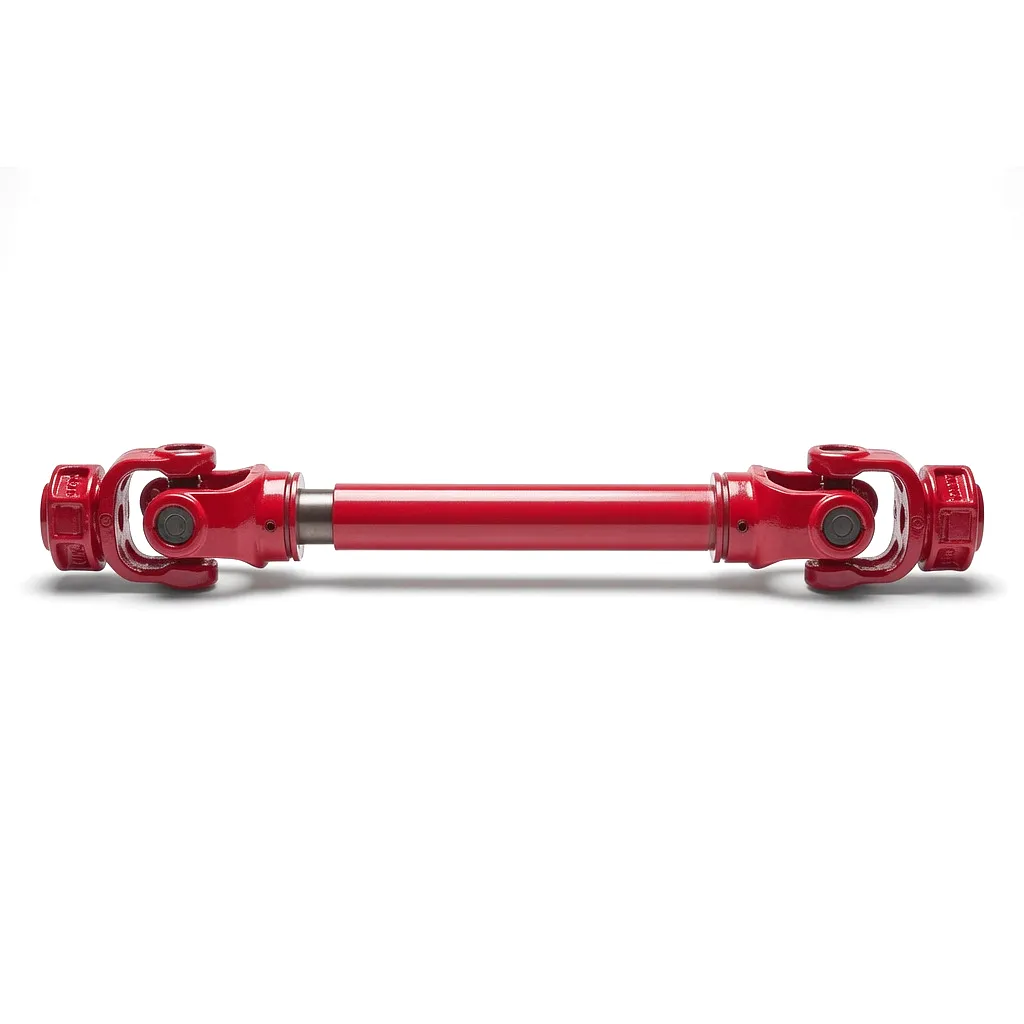 Many modern PTO drive shafts — particularly those supplied into UK markets for grass machinery, horizontal spreaders, and forage equipment — include an overload protection device in the form of a slip clutch. The slip clutch sits between the shaft body and the implement input yoke. When implement resistance exceeds a preset torque threshold — such as when a rotary mower strikes a buried stone — the clutch friction discs slip momentarily, protecting the gearbox, the tractor output shaft, and the implement drive from shock loading. After the overload passes, the clutch re-engages and drive continues.
The slip clutch carries its own dedicated grease point, typically a nipple positioned on the outer housing of the clutch body. However, this point must be approached with significant care. Excess grease applied to the slip clutch can migrate onto the friction disc faces, reducing the friction coefficient and lowering the slip torque well below the intended setting. A clutch that slips too easily provides insufficient protection at low torque events and may allow the implement to stall in conditions where it should be working. Apply only a minimal charge of grease at this nipple — typically one or two strokes of a standard grease gun — and never apply grease immediately before high-load operation without verifying that the clutch torque setting remains within specification.
Consult the shaft manufacturer data or the specific implement manual for the correct slip torque specification. In the UK, POFS (Power Take-Off Force Slip) requirements for agricultural machinery are guided by BS EN ISO 5673 standards. Operators in arable regions of Cambridgeshire or Lincolnshire who regularly run large stone-clearing implements should pay particular attention to slip clutch condition and grease level as part of their pre-season drive line inspections.
Location 4 — Safety Guard Bearing Cradles: The Overlooked Grease Point
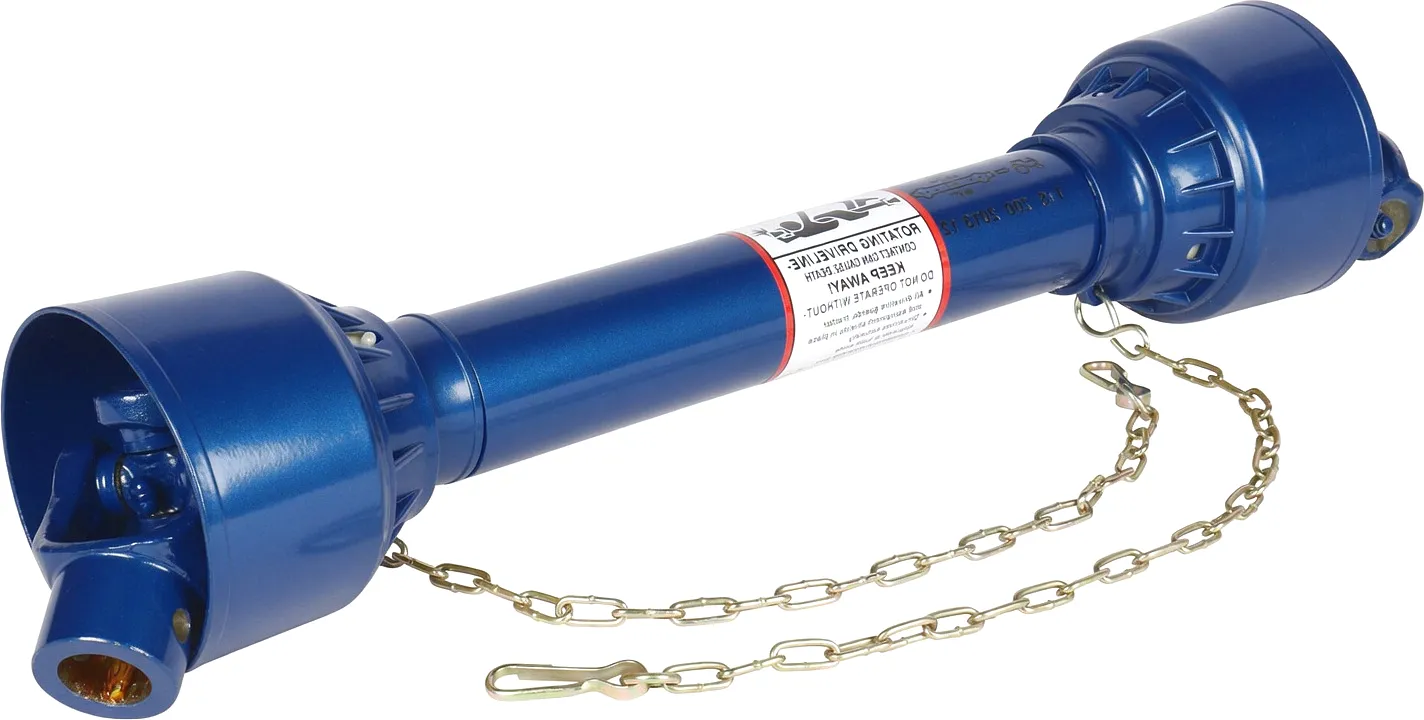 The outer safety guard that encloses the rotating PTO shaft assembly is designed to remain stationary while the shaft spins inside it. To support the guard in a fixed position relative to the machine, a set of bearing cradles or support rings sits at strategic points along the guard interior, allowing the shaft to rotate freely against a low-friction surface without transmitting rotation to the outer guard. These bearing cradles are most commonly found at the guard cone sections near each universal joint and at the midpoint of longer guard assemblies where the guard tube might otherwise flex into contact with the rotating shaft body.
On many commercial shaft designs — including those regularly supplied by Ever Power to UK machinery dealers — the guard bearing cradles incorporate a small grease nipple accessible through a hole in the guard housing. This nipple is often overlooked entirely during routine maintenance because operators tend to focus on the more obviously mechanical components such as the universal joints and spline tubes. But neglecting the guard bearing cradles causes the outer guard to wear unevenly, and in severe cases, the worn cradle allows the guard to contact the rotating shaft, generating significant heat and potentially causing the plastic guard material to melt — creating both a fire risk and a regulatory non-compliance issue under UK health and safety legislation.
Service intervals for guard bearing cradles are considerably longer than for universal joints — typically every fifty to one hundred operating hours depending on shaft speed and shaft length. However, if there is any vibration felt through the guard, or if the guard shows signs of uneven wear patterns on its interior surface, inspect the cradles immediately and apply grease regardless of the recorded interval.
Proper Greasing Technique: Step-by-Step Procedure for Field and Workshop
01
Disengage and Isolate
Shut down the tractor engine and engage the park brake before approaching the shaft. Never grease a rotating PTO shaft.
02
Locate and Clean Nipples
Wipe all grease nipples with a clean cloth before applying the gun. Dirt forced into a nipple causes more damage than running dry.
03
Apply Correct Volume
UJs: 3-5 gun strokes. Spline tube: until grease emerges at sliding end. Slip clutch: 1-2 strokes only. Guard cradles: 2-3 strokes.
04
Log and Record
Record each greasing event in the machine service log, noting operating hours, grease type used, and any abnormal observations.
PTO Drive Shaft Grease Point Reference Table — Location, Interval, Specification
The following table summarises every key grease point across a standard PTO drive shaft assembly. Service intervals shown assume normal operating conditions: standard UK agricultural use at ambient temperatures between 5-25 deg C, operating angles under 15 degrees, and shaft speeds within the rated 540 or 1000 rpm range. High-stress applications such as heavy cultivation in compacted clay soils, industrial PTO drives running at elevated ambient temperatures, or shafts operating at maximum rated angles require a reduction in all intervals by approximately 40%.
| Grease Point Location | Nipple Position | Standard Interval (Hours) | Gun Strokes | Grease Grade | Additive Recommendation |
|---|---|---|---|---|---|
| Universal Joint — Front (Tractor End) | Centre of cross spider | 8 – 10 | 3 – 5 | NLGI 2 Li-Complex | EP + Water Resistant |
| Universal Joint — Rear (Implement End) | Centre of cross spider | 8 – 10 | 3 – 5 | NLGI 2 Li-Complex | EP + Water Resistant |
| Telescoping Spline Tube | End cap or side boss of outer tube | 25 – 30 | Until emergence at sliding end | NLGI 2 Moly or Graphite | MoS2 or Graphite Additive |
| Slip Clutch Housing | Outer housing boss | 50 | 1 – 2 (maximum) | NLGI 2 Li-Complex | Standard — no excess |
| Safety Guard Bearing Cradles | Through hole in guard housing | 50 – 100 | 2 – 3 | NLGI 1 or 2 Li | Standard Lithium |
| Wide-Angle UJ (Where Fitted) | Centrebody nipple + cross spider nipple | 5 – 8 | 3 – 5 per nipple | NLGI 2 EP Li-Complex | High-Temp EP Essential |
Location 5 — Wide-Angle Universal Joint: Additional Nipples for Higher-Angle Drive
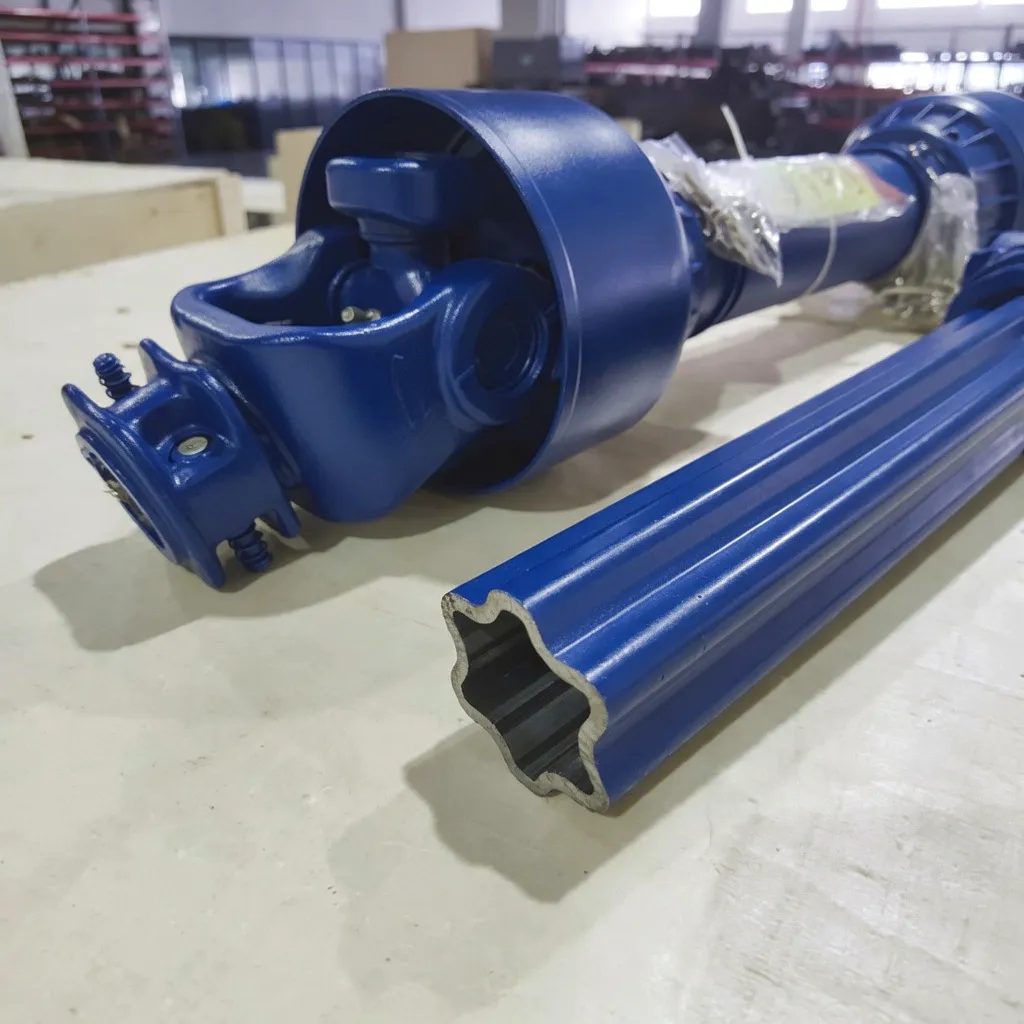 Standard universal joints operate efficiently at working angles up to approximately 15 to 18 degrees. Beyond this range, the velocity variation between input and output becomes significant enough to cause vibration, wear acceleration, and bearing fatigue. For implements that mount with a large angular offset from the tractor — including front-mounted mowers on compact tractors, offset cultivators, and side-discharge spreaders — the standard UJ is replaced with a wide-angle or constant-velocity joint assembly capable of running at angles up to 50 to 80 degrees.
Wide-angle joints are mechanically more complex than standard cross-and-bearing UJs. A typical wide-angle design incorporates a centrebody housing with an internal pivot mechanism, plus the outer cross journals that connect to the yokes. This means there are more grease nipples to service — often a nipple on the centrebody in addition to the usual cross spider nipple. Missing the centrebody nipple is a common error made during routine maintenance, particularly in field conditions where access is awkward. On some wide-angle designs, the centrebody nipple sits in a recessed position that requires removing a short section of the guard cone to reach it cleanly.
Service intervals for wide-angle joints should be shorter than for standard UJs under equivalent operating conditions, because the greater angular velocity variation generates more bearing cage stress per revolution and therefore more heat. A working interval of five to eight hours is appropriate for wide-angle joints used on frontal PTO implements in British market conditions, particularly given that many front-PTO applications are used in hay and silage operations across the high-rainfall areas of the West Country and Northern Ireland, where moisture ingress into grease is a persistent challenge.
Why Shaft Material and Surface Finish Directly Affect Grease Retention at Each Point
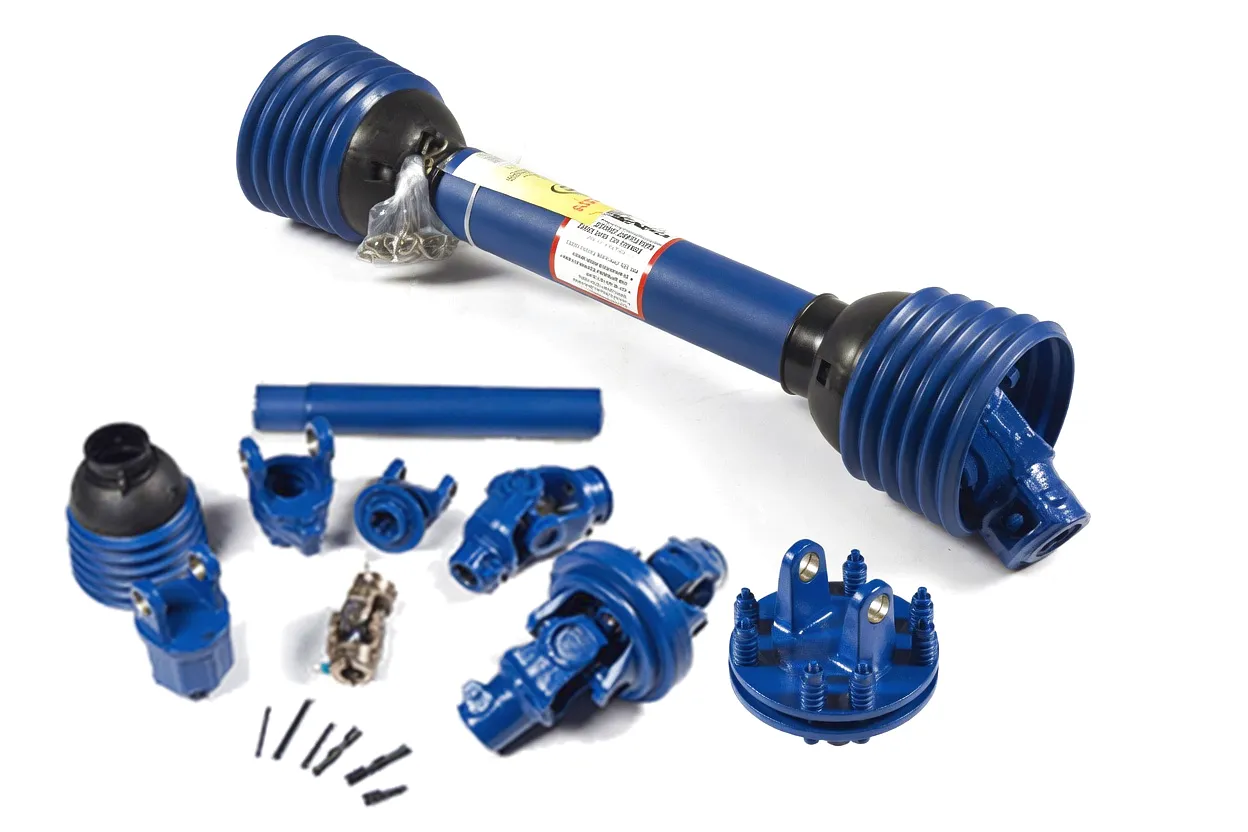
Lubrication performance is not determined solely by the grease itself — the material and surface quality of the components being lubricated are equally influential. The cross spider journals in a PTO drive shaft are manufactured from case-hardened alloy steel, typically 20CrMo or 42CrMo4 grades, with the journal surfaces ground to a surface roughness of Ra 0.4 to 0.8 micrometres. This specific surface finish is not arbitrary: it is the range that balances grease film adherence against hydrodynamic pressure generation in needle roller bearings. A surface that is too smooth fails to retain a grease film under high load, while a surface that is too rough generates excessive bearing cage stress.
Telescoping spline tubes in quality-grade shafts — including those manufactured by Ever Power — are made from precision-drawn steel profiles with induction-hardened spline flanks and a fine-machined bore dimension that holds a tolerance of H7/h6, ensuring consistent clearance across the sliding length. This tight dimensional control means that grease applied at the nipple distributes evenly to all spline tooth faces rather than channelling down one side of the bore. On budget-grade shafts with wider manufacturing tolerances, operators often find that grease applied at the nipple fails to reach the far end of the spline interface, leading to uneven wear and premature play.
The metallurgical specification also affects the frequency at which grease must be applied. Higher-grade steel with better surface finish, protected by appropriate shot-peening to induce compressive stress at the surface, retains lubricant films longer and resists the micro-pitting that occurs when grease films break down under cyclic contact stress. In practical terms for UK operators, this means that an investment in a precision-manufactured shaft — backed by rigorous material certification — can extend service intervals and reduce overall lubrication costs over a working season, offsetting the higher initial acquisition cost.
UK Application Scenarios: How Greasing Requirements Vary by Industry and Implement
Different applications generate different grease point stresses. Understanding how your specific operating environment affects lubrication demand at each location is essential for building a maintenance schedule that is both cost-effective and mechanically sound.
Rotary Tillage — East Anglian Arable Farms
Power harrows and rotary cultivators in heavy East Anglian soils generate high shock torque events, placing extreme stress on UJ cross journals. Service the universal joint grease points every 6-8 hours. Contamination from clay splash also affects spline tube nipples; clean and regrease after every working day in wet conditions.
Grass and Silage Harvesting — West Country and Scottish Uplands
Mowers, tedders, and rakes operate on uneven terrain at sustained shaft speeds for extended periods each day during the silage season. The combination of continuous rotation and frequent angular change at headlands means UJ grease must be refreshed every 8 hours, and the damp operating environment in high-rainfall UK regions demands water-resistant EP grease at all points.
Industrial PTO Drives — Manufacturing and Processing Plants in Birmingham and Sheffield
Industrial PTO shafts driving compressors, conveyors, and processing equipment in manufacturing environments often operate at elevated ambient temperatures and for longer continuous duty cycles than agricultural equivalents. Grease at the universal joint locations may require a higher temperature-rated formulation. Guard bearing cradle inspection frequency should increase to every 30-40 hours given the higher cumulative operating hours.
Forestry and Land Management — Wales, Northern Ireland, Scottish Borders
Wood chippers, stump grinders, and forestry mulchers in UK woodland management operations impose severe shock loading on all shaft components. Slip clutch nipples must be checked before every working day. These applications frequently see wide-angle joints, meaning centrebody nipples must be included in every service round.
Slurry and Spreading Equipment — Livestock Regions of Cumbria and Yorkshire
Slurry tankers and muck spreaders expose PTO drive shafts to highly corrosive environments. Grease nipples can corrode and block within a single season if not kept clean. Use a wiper of clean cloth at every servicing event, and apply a corrosion-inhibiting grease at all points. Consider sealing blocked nipples with a contact-safe lubricant spray before the next greasing event if blockage is suspected.
How a Boston-Based Arable Operation Reduced PTO Shaft Replacement Costs by Over 60%
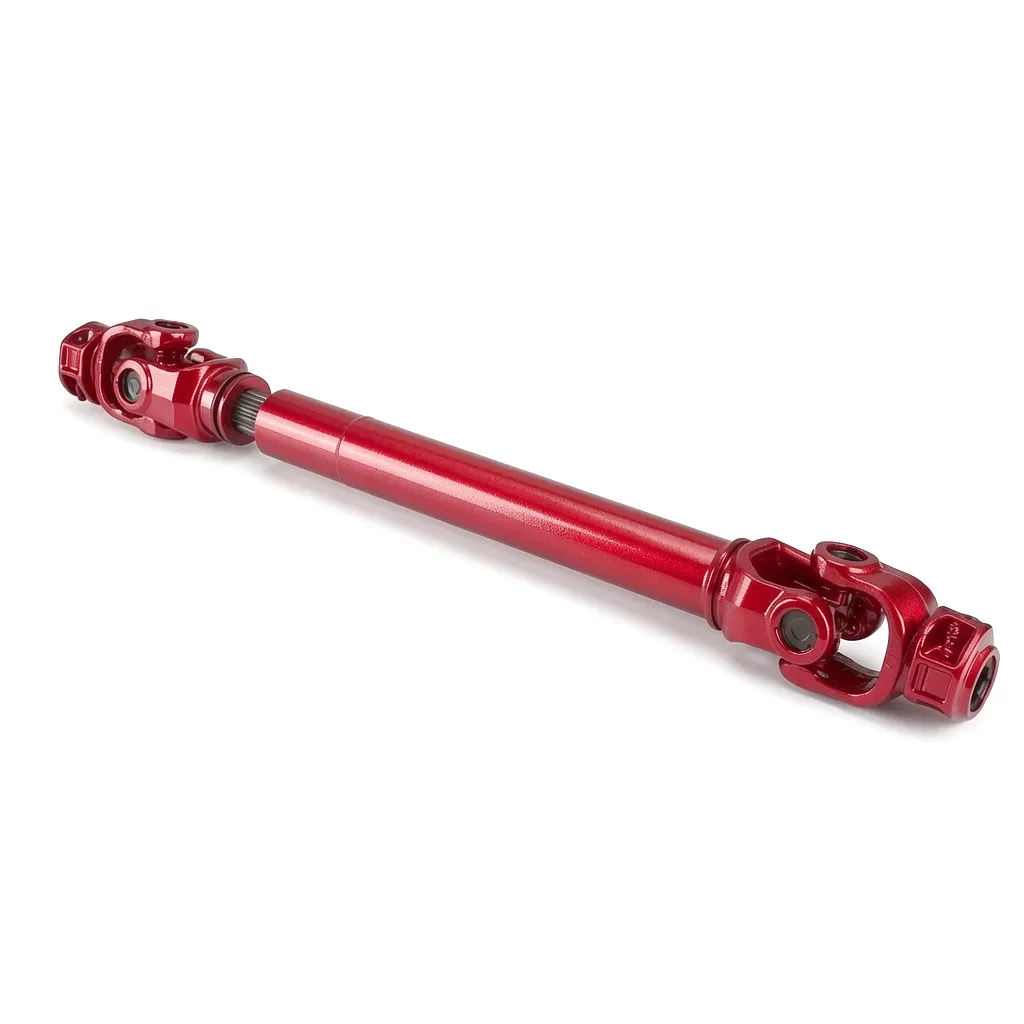 A large-scale arable enterprise based outside Boston in Lincolnshire operates a mixed fleet of cultivation and drilling equipment across approximately 2,400 hectares of fenland soils. The operation runs three main tractors year-round on a variety of implements including power harrows, cereal seeders, and crop establishment rollers — all driven through PTO connections. Prior to 2023, the business was replacing universal joint cross kit assemblies on average twice per season across the three primary drive shaft assemblies in use, with a typical UJ set costing between GBP 45 and GBP 90 per replacement depending on shaft category — representing both a direct parts cost and significant workshop labour at busy periods.
The operation approached Ever Power to supply a set of replacement shaft assemblies and to carry out a technical review of the existing maintenance regime. The Ever Power technical team identified two systemic errors: UJ cross spiders were being greased only at the beginning of each working week rather than every shift, and the spline tube nipple was being serviced with a standard lithium grease rather than a moly-enhanced formulation appropriate for the high-contact-stress spline interface. The guard bearing cradles were not being greased at all — they had not been identified as grease points by the previous maintenance team.
Following the supply of three Ever Power Category 2 replacement shafts with upgraded wide-angle front joints and a revised maintenance schedule structured around individual grease point locations, the operation completed a full 2024 season without a single UJ failure. The spline tubes remained free-sliding throughout, with no measurable axial play developed across the season. Total recorded greasing time per shaft was approximately 12 minutes per week — a modest investment that eliminated all unplanned drivetrain downtime during harvest preparation, a period when any field delay carries significant cost.
60%+
Reduction in UJ replacement costs
0
UJ failures across 2024 full season
12 min
Weekly greasing time per shaft
What UK Customers Say About Ever Power PTO Drive Shaft Service
“The greasing point guide Ever Power provided with the shaft made a genuine difference to how our team approaches servicing. We had been missing the guard cradle nipples entirely for three seasons. The shaft quality is exceptional — the spline tube still runs smooth after 400 hours.”
T. Garside, Arable Contractor — Boston, Lincolnshire
“We run heavy-duty industrial nivelakselit on processing machinery in our Yorkshire facility, and Ever Power matched the exact torque and length specification we needed with a 3-week lead time. The cross spider journals have been serviced six months now with zero detectable play — the manufacturing tolerances are clearly tighter than our previous supplier.”
R. Holt, Plant Engineering Manager — Sheffield, South Yorkshire
“We ordered custom-length shafts for a bespoke silage wagon build and Ever Power delivered to exact dimension with a 2-week turnaround. The slip clutch torque on the supplied units was pre-set correctly out of the box, which saved our workshop time. Greasing intervals from their spec sheet have proven accurate in the field across two seasons of West Country grassland work.”
M. Trevithick, Machinery Designer — Exeter, Devon
Ever Power: Precision PTO Drive Shaft Manufacturing and Customisation for UK Industry
Ever Power is a precision mechanical transmission manufacturer with deep engineering capability across the full PTO drive shaft category spectrum. For UK buyers — whether agricultural machinery dealers supplying farms across Norfolk and Cheshire, industrial plant engineers in Birmingham, or specialist implement manufacturers building custom machines for export — Ever Power provides a customisation service that goes well beyond standard catalogue specifications.
The manufacturing process at Ever Power begins with material certification at the raw steel stage, with each batch of cross spider and tube stock tested for hardness and tensile characteristics before entering the production sequence. CNC turning and grinding operations hold journal surface tolerances to within 0.005 mm, and all grease channel drillings within cross spiders are dimensionally verified by automated measurement systems that flag any channel diameter variance before assembly. Every completed shaft assembly undergoes a torque run-in and balance check, with grease nipple flow-through tested under pressure to verify that the internal cross-drilling network is clear and feeds all four bearing cups as designed.
Customisation options available from Ever Power for UK buyers include: non-standard overall shaft lengths from 500 mm to 3,000 mm, metric and imperial yoke bore combinations to match OEM tractor stubs and implement input flanges, wide-angle joint specification with rated angles from 40 to 80 degrees, integrated slip clutch assembly with factory-set torque ratings, electrophoretic coating for enhanced corrosion protection suitable for the wet UK operating environment, and custom grease nipple positioning on outer tubes for improved access in confined implement mounting configurations.
ISO 500
Full Category Compliance Cat 1, 2, 3
42CrMo4
Alloy Steel Cross Spiders Standard Grade
H7/h6
Spline Tube Bore Tolerance Standard
3 Weeks
Typical Lead Time for Custom UK Orders
The Six Most Costly Greasing Mistakes UK Operators Make on PTO Drive Shafts
Understanding where the grease points are is only part of the challenge. The manner in which operators approach greasing — the preparation, the technique, and the recording — determines whether the effort delivers real mechanical protection or provides only a superficial sense of maintenance having been done.
Greasing Too Infrequently at the UJ
Treating the UJ as a weekly service item rather than a shift-frequency item is the single most common source of avoidable cross journal failure in UK agriculture.
Applying Dirty Grease Through Unwiped Nipples
Forcing grease through a soil-covered nipple injects abrasive particles directly into needle bearing cups, where they act as a grinding compound against the journal surface.
Over-Greasing the Slip Clutch
Excess lubricant at the slip clutch housing migrates to the friction discs, lowering slip torque and reducing overload protection performance. Apply minimally and check torque setting after service.
Ignoring Guard Bearing Cradle Nipples
These nipples are not visible without looking specifically for them. Many operators spend years never greasing them because they were simply unaware they existed. This leads to guard contact wear and regulatory safety concerns.
Using Wrong Grease Specification
A single-grade mineral grease used at the spline tube provides approximately 40-50% of the protection that a moly-enhanced NLGI 2 grease provides. Specification matters as much as frequency.
No Service Log Maintained
Without a log, it is impossible to know whether the last grease was applied at 40 hours or 80 hours ago. In a busy operation with multiple operators, individual grease points are easily missed across shift handovers.
PTO Shaft Greasing — Questions from UK Operators and Buyers
How often should I grease the universal joints on a PTO drive shaft used on UK farm tillage equipment?
For tillage implements such as power harrows and cultivators on UK farms, the universal joint cross spider grease points should be serviced every eight to ten operating hours under standard conditions, and every four to six hours when working at higher angles or in particularly wet and muddy environments such as heavy clay soils in the East Midlands.
What type of grease should I use for the spline tube greasing point on a PTO drive shaft in a UK agricultural application?
The spline tube interface benefits most from a moly-enhanced or graphite-containing NLGI Grade 2 grease. These additive packages form a protective boundary film on the spline tooth flanks that persists under high contact pressures during peak torque events, whereas standard mineral lithium grease provides significantly lower protection at this location.
Where exactly is the grease nipple located on the telescoping spline tube of a standard PTO drive shaft?
The spline tube grease nipple is typically positioned at one end of the outer tube, either at the end cap or in a dedicated boss on the side of the outer tube body. Apply grease until a small amount of fresh lubricant emerges from the far sliding end of the inner tube, indicating full coverage of the spline length.
Who supplies custom-length PTO drive shafts with non-standard grease point configurations to agricultural machinery dealers in the UK?
Ever Power manufactures custom PTO drive shafts to UK buyer specifications, including non-standard lengths, custom yoke bore combinations, adjusted nipple positions for improved access in confined implement frames, and integrated slip clutch or wide-angle joint options. Lead times for custom UK orders are typically three weeks.
What is the average cost of replacing a PTO drive shaft universal joint assembly on a UK farm and how does regular greasing affect the price?
Replacement UJ cross kit sets for standard Category 1 and 2 shafts typically range from GBP 35 to GBP 110 depending on shaft category and supplier, with labour adding further cost at busy seasons. Consistent greasing at the correct intervals can extend cross journal service life well beyond 500 operating hours, reducing annual replacement expenditure significantly and virtually eliminating unplanned breakdown costs during peak field seasons.
How do I get a quote for a replacement PTO drive shaft with specific greasing and slip clutch options from a UK supplier?
Contact Ever Power directly by email at [email protected] with your required shaft length, PTO category, implement type, operating angle, and any specific requirements such as slip clutch torque rating or wide-angle joint specification. The technical team will respond with a detailed quotation and lead time confirmation.
When should I grease the safety guard bearing cradles on a PTO shaft being used on a forestry mulcher in Scotland?
For a forestry mulcher application in Scottish conditions, where shaft speeds are high and vibration loads are significant, guard bearing cradles should be serviced every 40 to 50 operating hours. If abnormal vibration or uneven guard wear is observed, inspect and regrease immediately regardless of the recorded hours.
Which grease is best for a wide-angle PTO joint working at high angles on a front-mounted mower in the West Country?
A high-temperature extreme-pressure NLGI Grade 2 lithium complex grease is the recommended specification for wide-angle joints operating at high angles in damp UK conditions. This formulation maintains consistency under the elevated bearing temperatures generated by large angular velocity differentials and provides the water-resistance needed for outdoor West Country grassland applications across the silage and hay seasons.
gzl:n muokkaama