Aftakas 1000 tpm versus 540 tpm: Belangrijkste verschillen uitgelegd
A technical guide for farmers, contractors and machinery operators covering the engineering differences between 540 rpm and 1000 rpm PTO standards, how to identify which standard applies to your equipment, and the consequences of mismatching shaft and implement.
Browse PTO Drive Shaft Range →
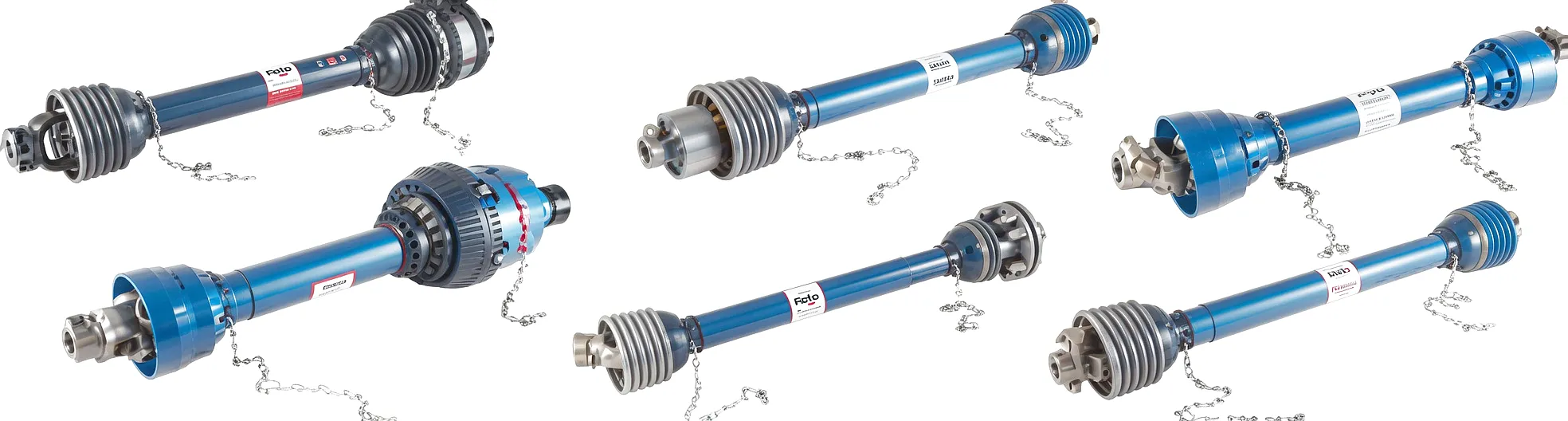
The PTO speed standard used on a tractor and implement must match exactly. This is not a matter of preference or approximate compatibility: connecting a 1000 rpm implement to a 540 rpm PTO output will run the implement at roughly half its design speed, reducing output and potentially causing implement damage through inadequate blade or rotor speed. Connecting a 540 rpm implement to a 1000 rpm output is far more dangerous, running the implement at nearly twice its design speed, overloading blades, rotor bearings and gearboxes within minutes.
Despite this, mismatching remains a common source of implement damage and operator injury on farms where second-hand machinery is introduced without checking the PTO speed compatibility, or where a tractor with dual-speed PTO capability is set to the wrong output speed for the implement in use.
This guide explains the technical basis for the two PTO speed standards, how to identify which standard applies to any tractor or implement, how to recognise the physical differences between 540 rpm and 1000 rpm shafts and stubs, what happens when the standards are mixed, and how to safely operate tractors that have both outputs available.
1. The Engineering Basis for Two PTO Speed Standards
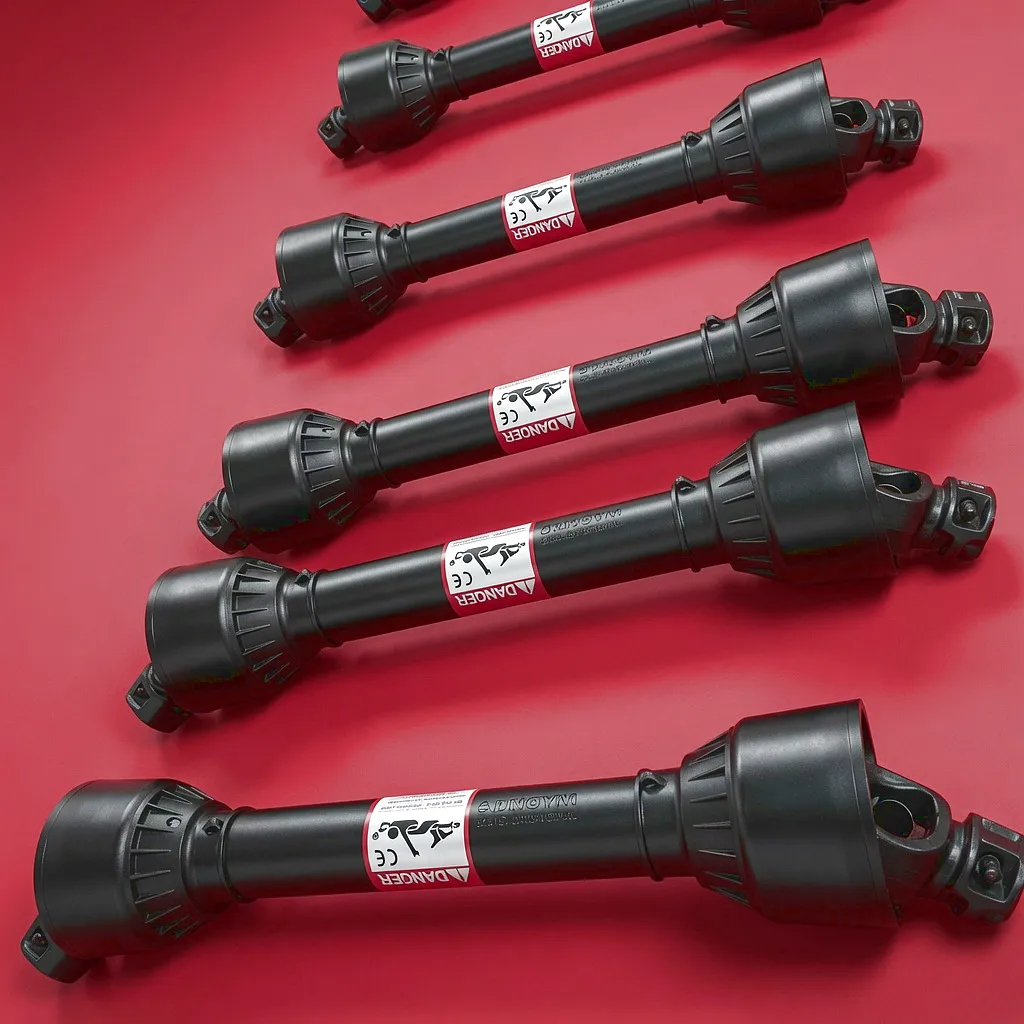
The 540 rpm standard was established in the 1920s and became the universal agricultural PTO speed for several decades. It was well matched to the power outputs and implement designs of that era. As tractor engine power increased through the 1950s and 1960s, a higher-speed standard became necessary to transmit greater power without requiring impractically large shaft and coupling diameters.
The 1000 rpm standard was introduced to allow higher power transmission at smaller shaft diameters. The relationship between the two is not arbitrary: 1000 rpm is approximately 1.85 times 540 rpm, meaning that for a given shaft torque capacity, the 1000 rpm shaft transmits 1.85 times as much power as the 540 rpm shaft. This allows a slimmer shaft to carry power that would require a much heavier 540 rpm assembly.
A third standard, 1000E (Economy PTO), operates at 1000 rpm output but at a lower engine speed than standard 1000 rpm, typically around 1500 engine rpm rather than 2100 rpm. This is relevant for fuel efficiency but the shaft specification is identical to standard 1000 rpm and does not require a different shaft type.
2. Physical Identification: Stub Dimensions and Spline Count
The most reliable way to identify which PTO speed standard applies to a tractor output or implement input is to measure the stub or input shaft and count the splines. The two standards use different stub diameters and spline counts specifically to prevent accidental connection of mismatched equipment.
| Parameter | 540 rpm Standard | 1000 rpm Standard | 1000E Economy |
|---|
| Stub diameter | 1-3/8 inch (34.9 mm) | 1-3/4 inch (44.5 mm) | 1-3/4 inch (44.5 mm) |
| Spline count | 6 splines | 20 or 21 splines | 20 or 21 splines |
| Nominal output speed | 540 rpm at rated engine speed | 1000 rpm at rated engine speed | 1000 rpm at lower engine speed |
| Typical tractor engine speed | 1900–2200 rpm | 1900–2200 rpm | 1400–1600 rpm |
| Typical max power transmitted | Up to 65 kW per shaft series | Up to 150 kW per shaft series | Up to 150 kW per shaft series |
| ISO standard reference | ISO 500 Part 1 | ISO 500 Part 2 | ISO 500 Part 3 |
Quick Field Identification Without a Calliper
Count the splines on the tractor PTO stub by running a finger around the shaft and counting the ridges. Six splines means 540 rpm. Twenty or more splines means 1000 rpm. The physical size difference between 1-3/8 inch and 1-3/4 inch stubs is significant and clearly visible side by side: the 1000 rpm stub is noticeably thicker. On most modern tractors the PTO speed setting is also shown on the instrument panel or on a label adjacent to the PTO engagement lever.
3. Which Implements Use Which Standard?
Implement manufacturers specify the required PTO speed in the operator manual and on the implement data plate. When this information is unavailable, the following general guide applies based on implement type and power requirement:
540 rpm Implements
- Rotary rakes and tedders
- Small square balers
- Post-hole diggers
- Slurry tanker pumps (small capacity)
- Log splitters
- Water pumps
- Cement mixers
- Small rotary cultivators (up to 2.5 m)
- Hedge cutters (light duty)
- Grain augers
1000 rpm Implements
- Round balers and large square balers
- Disc mowers and drum mowers
- Maize choppers and forage harvesters
- Wood chippers (medium and large)
- Large rotary cultivators (above 2.5 m)
- Slurry tanker pumps (large capacity)
- Flail mowers (heavy duty)
- Power harrows
- Mulchers and forestry heads
- Sprayer pumps (high-output)
Note on Dual-Speed Implements
Some implements, particularly older European disc mowers and certain balers, are manufactured with a gearbox that accepts either 540 rpm or 1000 rpm input through different input shaft options or an internal ratio adjustment. Always check the implement data plate and the fitted input shaft spline count before connecting. Do not assume that because an implement physically connects, the speed standard is matched.
4. What Happens When the Standards Are Mixed
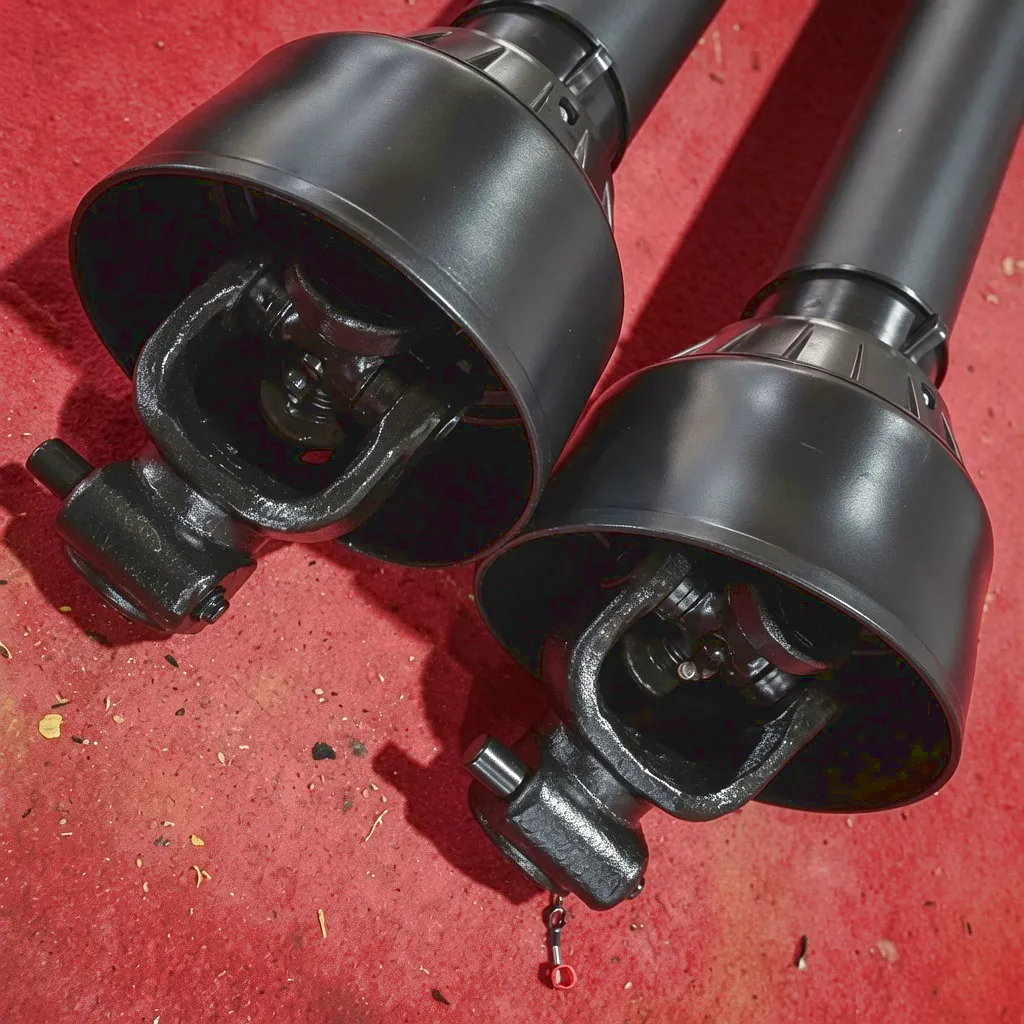
540 rpm tractor driving a 1000 rpm implement: The implement receives approximately 54% of its design input speed. Cutting implements such as disc mowers will produce reduced blade tip speed and poor cutting performance, with the risk of blade stall and motor overload. Balers will produce incomplete bale formation and may jam under light crop loads. This mismatch is unlikely to cause immediate mechanical damage but will cause poor performance and may void implement warranty.
1000 rpm tractor driving a 540 rpm implement: The implement receives approximately 185% of its design input speed. This is immediately dangerous. Blade tip speeds on rotary mowers will exceed safe limits within seconds. Rotor and flywheel bearings will be subjected to centrifugal loads for which they are not designed. Gearbox internals will overspeed and overheat. In a disc mower, blade disc failure at over-speed can project blades at lethal velocity. This mismatch must never occur under any circumstances.
Physical prevention: The different stub diameters and spline counts prevent direct connection of a 540 rpm yoke to a 1000 rpm stub and vice versa. However, a second-hand implement may have had its input shaft or yoke replaced with one of the wrong specification during a previous repair. Always count splines on both the tractor stub and the implement input before first connection of any unfamiliar combination.
5. Tractors with Dual PTO Speed Outputs
Many tractors above 100 hp are fitted with dual-speed PTO capability, allowing the operator to set either 540 rpm or 1000 rpm output from the same stub. This is achieved through a two-ratio PTO gearbox driven from the tractor main gearbox, with the speed ratio set by an external lever or electronic control on the instrument panel.
Operating a Dual-Speed PTO Tractor Safely
Check the speed setting before every implement connection
Do not assume the previous operator left the tractor set to the correct speed for the implement now being connected. Verify the PTO speed indicator on the instrument panel or data plate before engaging the PTO.
Change speed only with the PTO disengaged
Switching the PTO speed ratio while the shaft is turning attempts to change the gearbox ratio under load, which can damage the PTO ratio gears. Always disengage PTO, wait for full stop, then change the speed setting.
Label implements clearly
Attach a durable label to each implement stating the required PTO speed standard. In a fleet with multiple tractors and multiple operators, this prevents speed mismatches when an unfamiliar operator connects an unfamiliar implement.
6. Shaft Component Differences Between the Two Standards
Beyond the stub dimensions and spline count, the two speed standards require different shaft component specifications across the driveline:
Universal joint crosses
1000 rpm crosses use larger bearing cap diameters (typically 35 mm or 42 mm) compared to 540 rpm crosses (27 mm or 30.2 mm), reflecting the higher centrifugal loads and power levels. Cross kits are not interchangeable between standards.
Tube diameter and wall thickness
1000 rpm shafts use larger outer tube diameters and heavier wall sections to maintain the critical speed margin at 1000 rpm. A 540 rpm tube diameter would resonate at or below 1000 rpm for most agricultural shaft lengths.
Overload protection rating
Friction clutch and shear-bolt ratings are higher on 1000 rpm shafts to match the higher peak torques generated by high-power implements. Using a 540 rpm-rated clutch on a 1000 rpm application will cause the clutch to slip continuously under normal load.
Guard specifications
1000 rpm guards are manufactured to closer clearances and higher rotational stability requirements, as guard contact with the shaft at 1000 rpm generates more heat and wear than at 540 rpm. Guard anchor chain specifications also differ.
Balancing standard
1000 rpm shafts require tighter dynamic balancing tolerances, typically ISO 1940 Grade G6.3 or better, because residual imbalance forces increase with the square of rotational speed. A shaft balanced adequately for 540 rpm may vibrate significantly at 1000 rpm.
Grease interval
The higher centrifugal forces at 1000 rpm throw grease from bearing surfaces more rapidly than at 540 rpm. The recommended grease interval for 1000 rpm shafts is 6 operating hours compared to 8 hours for 540 rpm shafts.
Full Range Available
Ever-Power Manufactures Both 540 rpm and 1000 rpm PTO Shaft Series
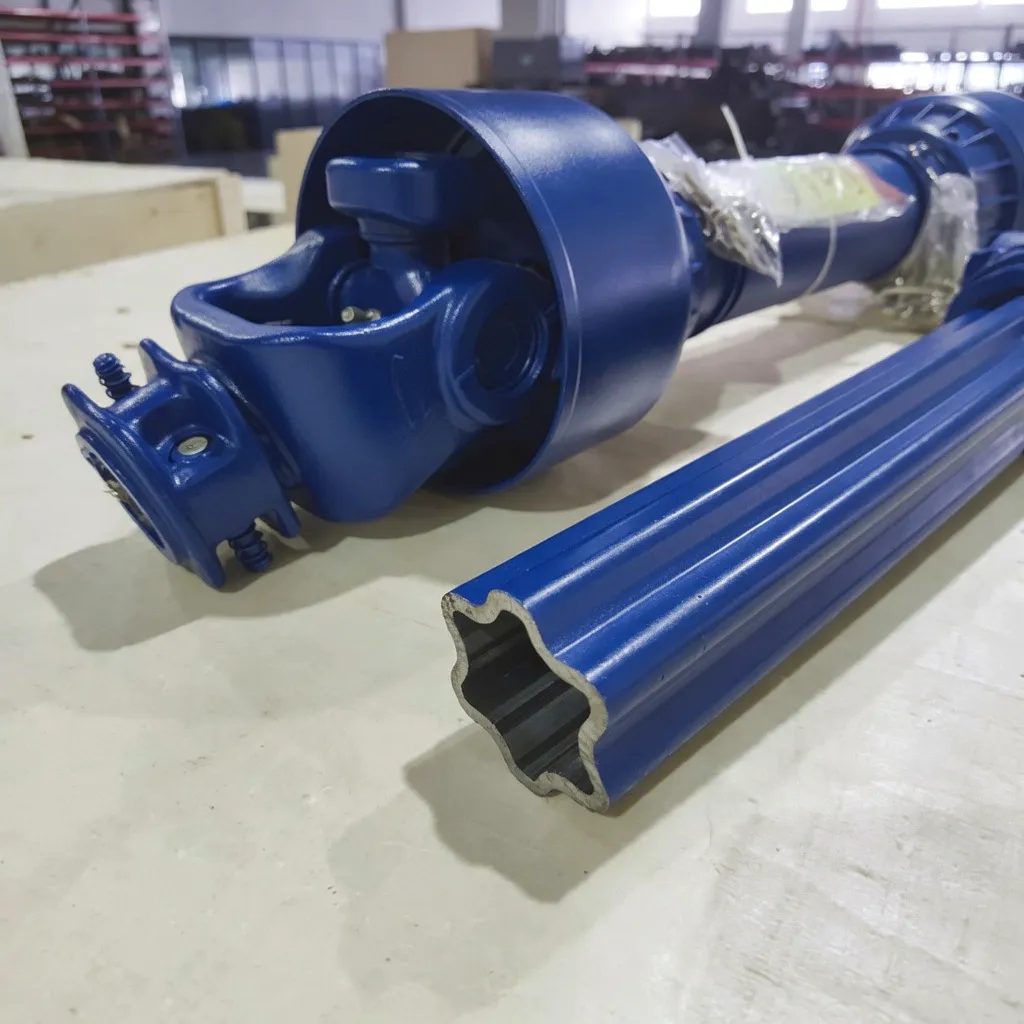
Ever-Power supplies PTO-aandrijfassen across the complete range of agricultural standards, from light-duty 540 rpm shafts for small implements through to heavy-duty 1000 rpm wide-angle shafts for high-output balers and forage harvesters. Each shaft is dynamically balanced to ISO 1940 Grade G6.3 and manufactured under Triple ISO certification in our 60,000 m² facility.
Technical support is available to match the correct shaft specification to your tractor PTO standard and implement input requirements. View the full range at pto-drive-shafts.com.
Customer Case Study: Mixed Machinery Fleet, Cambridgeshire
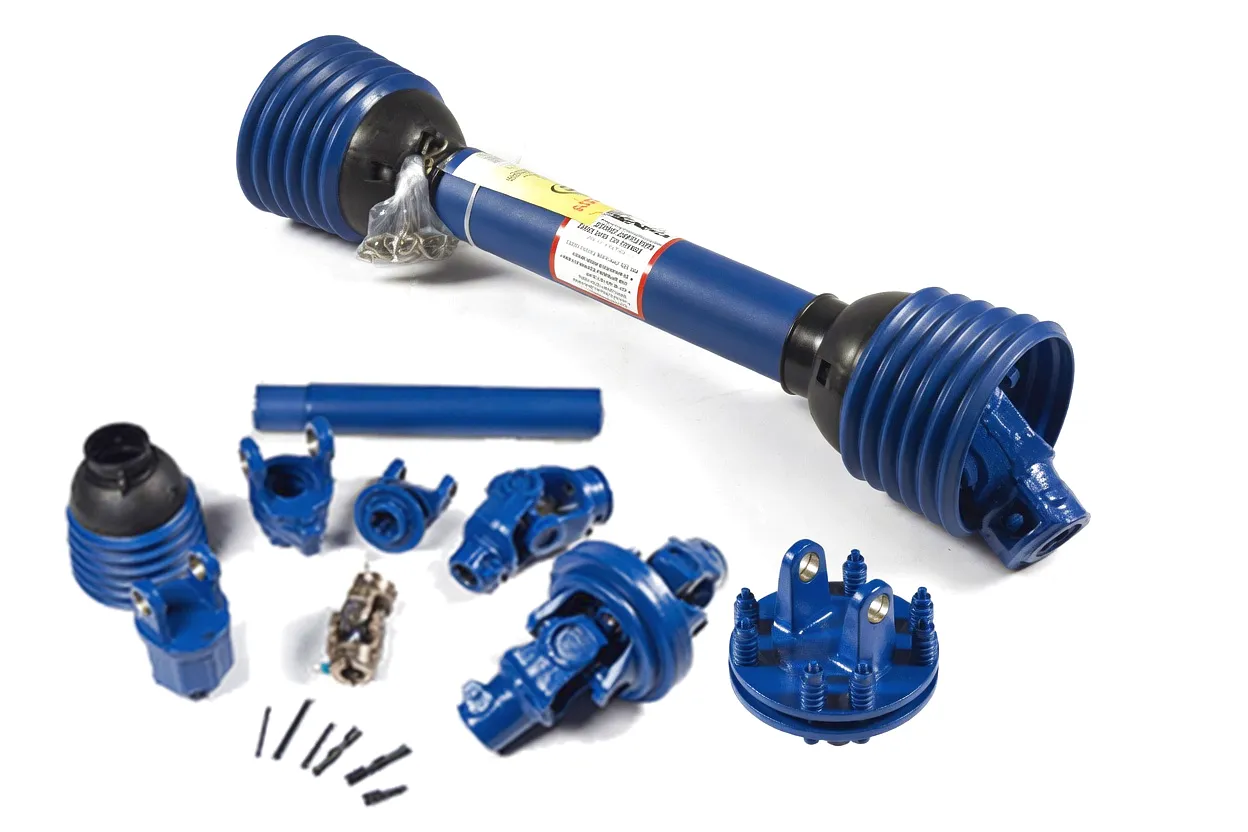
Casestudy
Large Arable Operation, Cambridgeshire
Operation: 2,800-acre cereal and pulse operation running eight tractors ranging from 90 hp to 310 hp and a mixed implement fleet accumulated over 20 years including both 540 rpm and 1000 rpm implements across the full range of cultivation, drilling, spraying and harvesting support operations.
The challenge: Following the addition of two new high-power tractors with dual-speed PTO capability to a fleet previously consisting entirely of single-speed 540 rpm tractors, the farm experienced a disc mower gearbox failure and a power harrow bearing failure within the first season. Investigation revealed that the new tractors had been set to 1000 rpm output by the supplying dealer as the default for high-power operation, and two seasonal workers had connected legacy 540 rpm implements without checking the PTO speed setting. The implement damage costs totalled approximately £9,400 including parts and a replacement mower gearbox.
The solution: The farm manager contacted the engineering team at Ever-Power PTO Drive Shafts to carry out a full fleet audit. Each implement received a durable stainless steel data tag stating its required PTO speed standard, stub diameter and spline count. The two new tractors were fitted with cab labels adjacent to the PTO speed lever. All seasonal and contract operators were required to complete a one-page PTO speed compatibility check before using any tractor-implement combination in their first week on the farm. New PTO shafts were supplied for the repaired implements, correctly matched to the 1000 rpm standard for implements that had been upgraded, and to 540 rpm for those remaining on the original standard.
The outcome: No further PTO speed mismatch incidents have occurred across the two seasons since the audit. The farm manager estimates that the audit process and new shaft supply cost approximately £2,800, representing a significant saving against a repeat of the first-season implement damage costs. The tagging system has also reduced the time operators spend checking implement compatibility before hitching.
What Farm Managers and Equipment Specialists Say
“
We had always assumed that the physical shaft connection was the only compatibility check needed. Learning that the spline count is the definitive identifier, and that a mismatched implement will physically connect on some non-standard repairs, was something that changed how we approach any unfamiliar equipment on the farm.
Richard Blackmore
Farm Director — Blackmore Farms, Norfolk
“
The 1000 rpm shafts from Ever-Power are noticeably more substantial in construction than the generic parts we had been sourcing locally. The larger cross bearing cap diameter is clearly visible and the dynamic balancing means the shafts run without any perceptible vibration even on our high-output baler that operates close to its rated input speed all season.
Jonathan Pryce
Agricultural Engineer — Pryce Machinery Services, Shropshire
“
After reading the comparison guide I realised our flail mower had been running on a 540 rpm shaft for two seasons when it is rated for 1000 rpm input. The implement had been performing poorly and we had assumed it was a blade balance issue. Fitting the correct 1000 rpm shaft and setting the tractor PTO speed appropriately transformed the cut quality immediately.
Stephen Howarth
Smallholder — Howarth Mixed Farm, Lancashire
Veelgestelde vragen
Can I use a 540 rpm shaft on a 1000 rpm tractor output if the implement is rated for 540 rpm?
No. The tractor PTO stub and the implement input shaft must both match the same speed standard. If the tractor output is set to 1000 rpm, you must use a 1000 rpm input shaft on the implement. A 540 rpm-rated implement driven at 1000 rpm will be over-sped and will fail rapidly. Set the tractor PTO speed to 540 rpm and use a 540 rpm shaft with a 540 rpm implement, or set to 1000 rpm and use a 1000 rpm shaft with a 1000 rpm implement.
My tractor has a 540E Economy PTO setting. Is that the same as standard 540 rpm?
540E Economy PTO delivers 540 rpm output speed at a lower engine speed than standard 540 rpm, typically around 1700 engine rpm rather than 2100 rpm. The output shaft specification, stub diameter and spline count are identical to standard 540 rpm. Any implement rated for 540 rpm and any 540 rpm PTO shaft will work correctly on a 540E output. The fuel saving from lower engine speed is the only difference.
How do I identify the PTO speed requirement on a second-hand implement with no data plate?
Count the splines on the implement input shaft. Six splines means the implement is rated for 540 rpm. Twenty or more splines means 1000 rpm. If the input shaft has been replaced and you are uncertain, measure the shaft diameter: 1-3/8 inch (approximately 35 mm) for 540 rpm, 1-3/4 inch (approximately 44.5 mm) for 1000 rpm. If neither measurement is conclusive, contact the implement manufacturer with the serial number for verification before operating.
Does operating at a lower engine speed affect the PTO output speed?
Yes. The nominal 540 rpm and 1000 rpm output speeds are only achieved at the rated engine speed stated in the tractor specification, typically in the range 1900 to 2200 engine rpm. Operating at a lower engine speed reduces the PTO output speed proportionally. For implements with critical speed requirements such as disc mowers and balers, always operate at rated engine speed to ensure the implement receives its design input speed. Operating below rated speed will reduce output quality and may cause jamming on some implements.
Are 540 rpm and 1000 rpm shafts interchangeable if I fit adaptors?
Spline adaptors that allow a 540 rpm yoke to fit a 1000 rpm stub are available but should only be used as a very short-term measure and only when the implement speed requirement and tractor PTO speed setting are both correct for the application. The adaptor does not change the operating speed; it only changes the physical connection. Using an adaptor to connect mismatched speed standards will still result in the implement operating at the wrong speed. A correctly specified shaft with the appropriate yoke for both the tractor stub and implement input is always the right long-term solution.
Matched to Your Standard
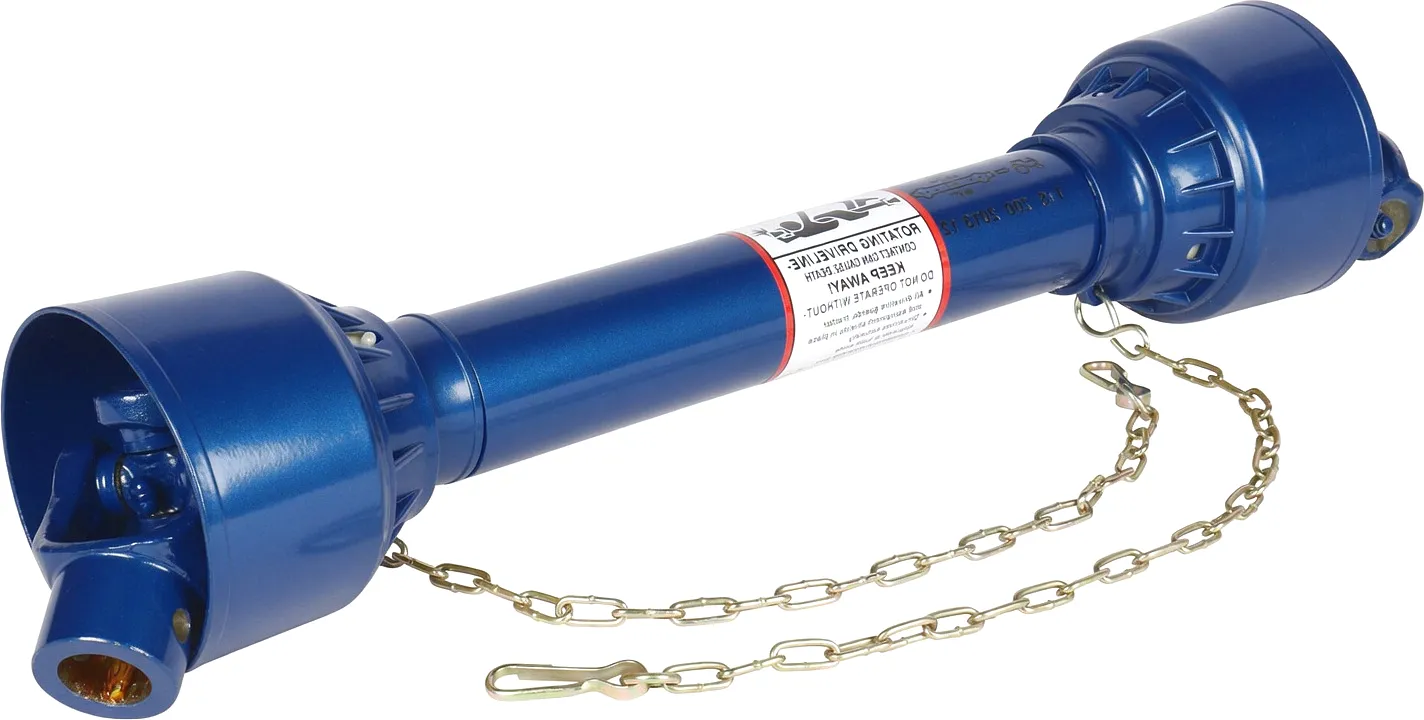
PTO Shaft Supplier Ever-Power — 540 rpm and 1000 rpm Range in Stock
Ever-Power supplies correctly specified PTO drive shafts for both 540 rpm and 1000 rpm standards, including wide-angle and heavy-duty series. Technical support is available to verify the correct shaft specification for any tractor-implement combination. Triple ISO certified, 3,000+ projects delivered, 68 patents registered.
View PTO Drive Shaft Range →
Factory Direct — Engineering Support Available — Full Range in Stock
bewerkt door gzl