PTO Shaft for Port Automation: Complete Engineering Guide for UK Harbour & Terminal Operations
Precision drive shaft solutions engineered for the world’s most demanding mechanical environments — from Felixstowe to Tilbury.
✔ 18+ Years Application Engineering
✔ UK Terminal Approved Supplier
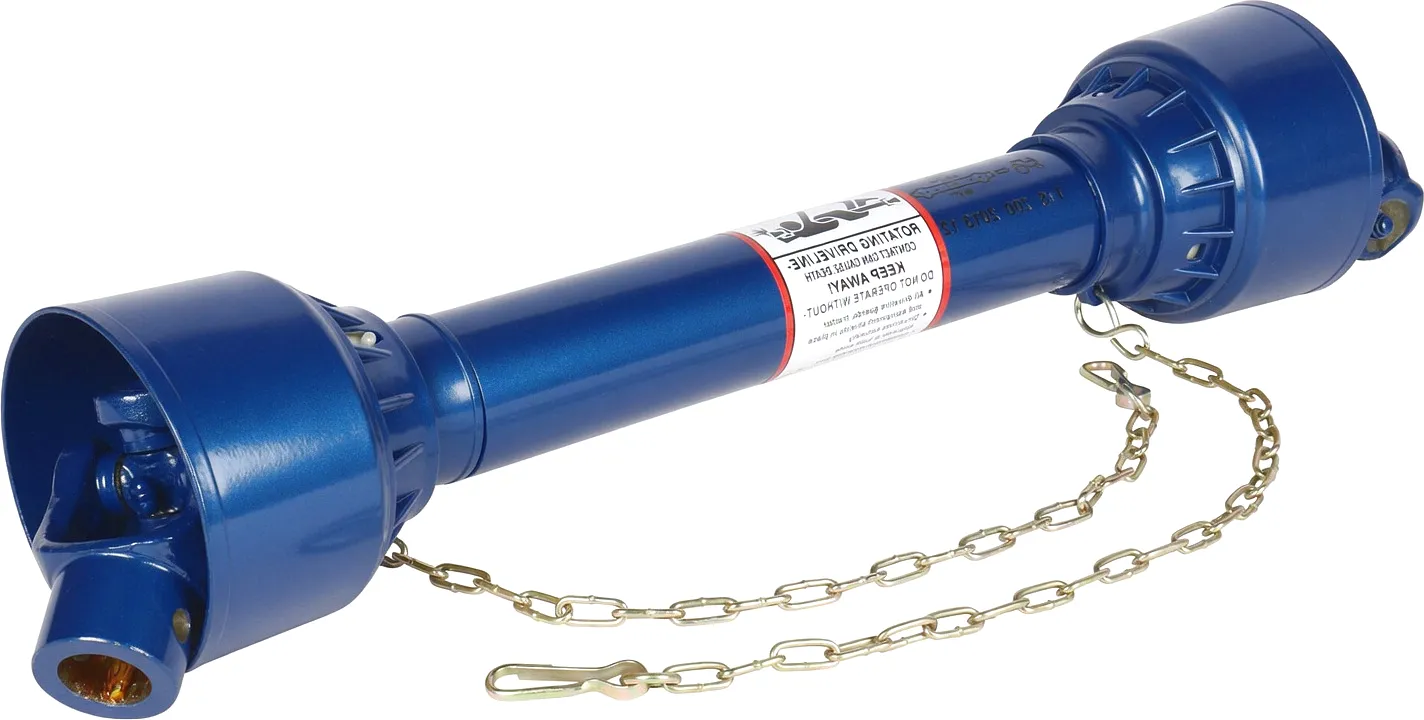
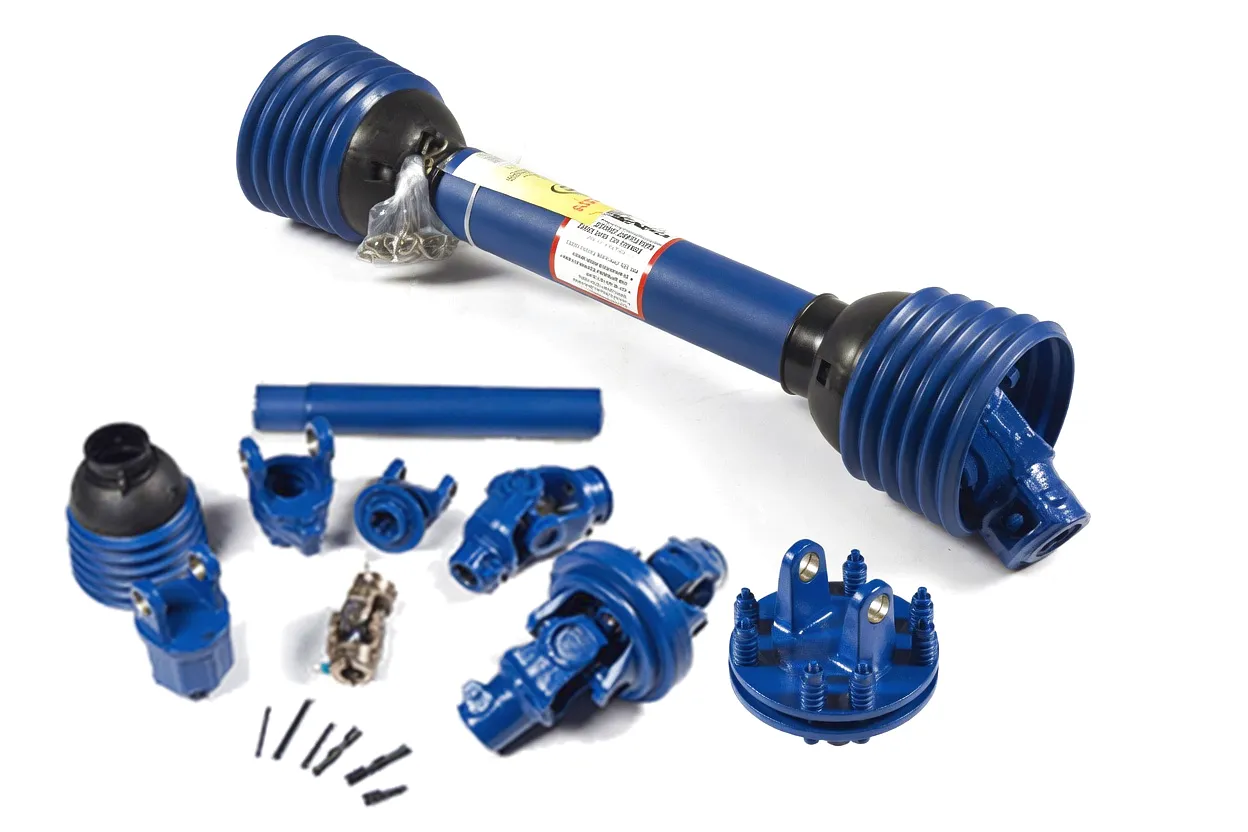 Port automation has fundamentally changed how container terminals and cargo handling facilities operate across the United Kingdom. From the high-throughput container berths at Felixstowe — the UK’s single busiest container port handling over four million TEU annually — to the deep-water facilities at Southampton and the expanding Tilbury operations on the Thames, the mechanical systems driving automated equipment must perform with absolute reliability around the clock. Within this demanding industrial environment, the PTO shaft plays a role that is considerably more critical than most plant engineers initially appreciate. A PTO shaft, or Power Take-Off shaft, is the mechanical coupling between a prime mover — whether a diesel engine, hydraulic motor or electric servo drive — and the load machinery it powers. In port automation contexts, that driven equipment spans ship-to-shore cranes, automated stacking cranes (ASCs), rubber-tyred gantry cranes (RTGs), belt conveyor drive systems, dock levellers, ballast water pumps, and the many auxiliary drives that underpin every aspect of modern terminal throughput.
The engineering challenges unique to working ports — corrosive salt-laden coastal air, continuous shock loading from vessel mooring operations, wide seasonal temperature ranges, and an absolute intolerance for unplanned downtime — demand PTO shafts engineered to standards well beyond what standard catalogue components provide. A failed PTO shaft on a ship-to-shore crane at a busy UK terminal does not simply pause one machine; it can cascade into berth delays, vessel diversions and demurrage charges that escalate to five or six figures within hours. This guide draws on over 18 years of drive shaft application engineering to explain precisely how PTO shafts integrate into port automation systems, what performance parameters define a quality solution, and how UK terminal operators and engineering procurement teams can specify the right custom PTO shaft for their operational profile.
Why Port Automation Places Exceptional Demands on the PTO Shaft
The transition to automated operations at UK ports has been steady and accelerating. Felixstowe’s investment in ASC lanes, Southampton’s automated handling corridors, and the newly modernised facilities at Bristol and Immingham all share one common mechanical reality: every automated machine in these terminals relies on a drive transmission chain in which the PTO shaft is often the most mechanically stressed component. Unlike agricultural or construction applications where a PTO shaft might operate at near-constant loads for relatively short daily durations, port automation drives can run continuously for sixteen to twenty hours per operating day. The torque profile is highly dynamic — a ship-to-shore crane accelerating under a sixty-tonne container load generates peak torque spikes reaching 2.5 to 3 times nominal operating torque, and these events recur dozens of times per shift, every single day of the year.
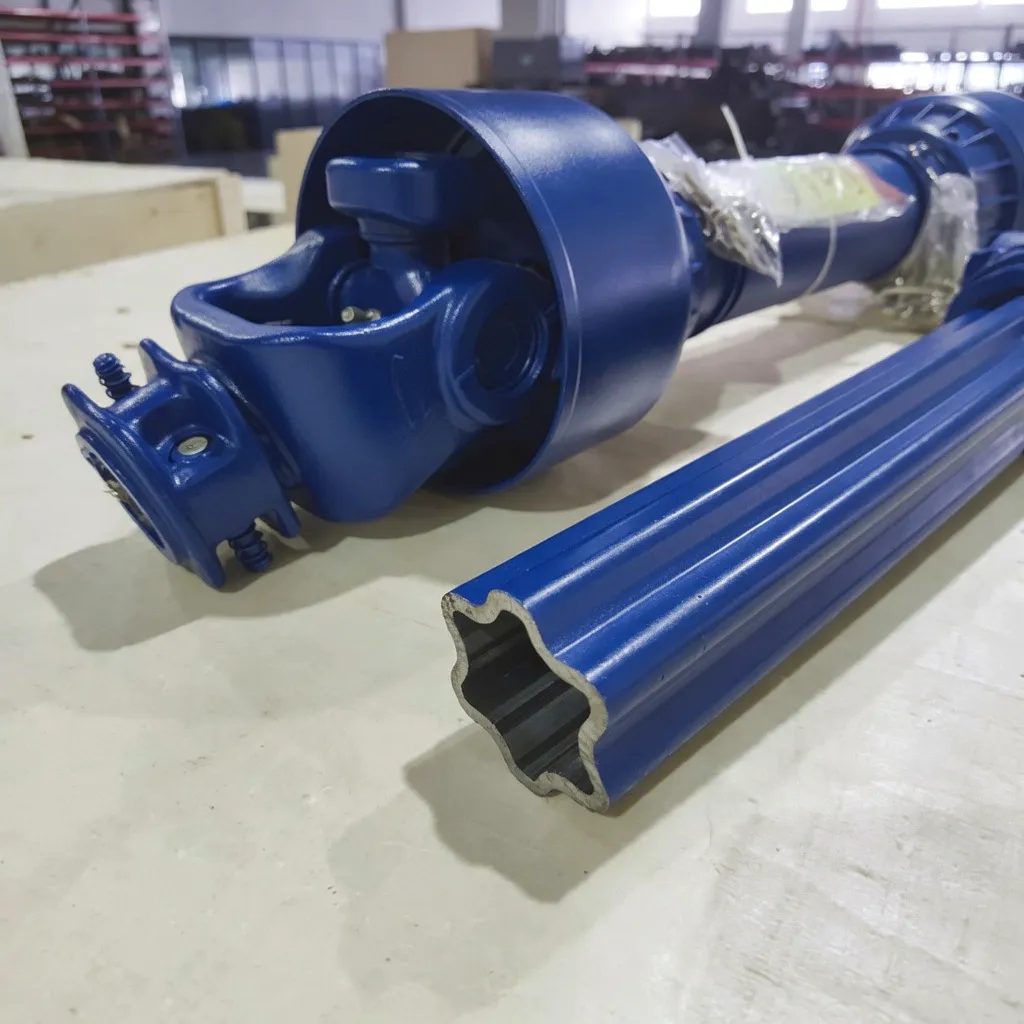
Conventional catalogue PTO shafts are rarely engineered for this combination of high peak torque, high cycle frequency and corrosive coastal environment. The consequences of an undersized or improperly specified shaft manifest progressively: accelerated wear in the universal joint cross-and-yoke assemblies, galling in the telescoping spline section, and ultimately fatigue fracture of the shaft tube under the resonant loading created by crane trolley acceleration. British coastal conditions add a further layer of complexity that inland applications do not face. Salt spray deposits on exposed shaft surfaces and penetrates into the grease retained in spline sleeves and cross-journal bearing packs, displacing lubricant and initiating corrosion pitting that shortens component life dramatically. Temperature cycling between cold British winters and the localised heat generated in high-duty crane gearboxes creates differential expansion that can preload bearings incorrectly, particularly on fixed-length shaft assemblies. Addressing all of these concurrent challenges simultaneously is precisely why terminal engineering teams are moving away from general-purpose PTO shafts and towards application-engineered solutions from specialist suppliers.
Technical Performance Parameters
Selecting the correct PTO shaft for any port automation application begins with a clear understanding of the technical parameters that govern shaft selection. The table below outlines the key performance specifications across the standard series used in UK terminal operations, from lighter conveyor auxiliary drives through to the heaviest ship-to-shore crane main drives. All torque ratings refer to continuous-duty nominal torque; peak torque capacity typically represents 2.8 times the nominal figure for the series listed. Misapplying a shaft series — particularly operating a nominal torque near the catalogue maximum — is the leading cause of premature failure in port drive systems.
| Series / Profile | Nominal Torque (Nm) | Peak Torque (Nm) | Max Speed (RPM) | Telescoping Range (mm) | Angle Capacity (°) | Typical Port Application |
|---|---|---|---|---|---|---|
| Series L (Light) | Up to 1,500 | Up to 4,200 | 1,000 | ±80–250 | 25° | Dock levellers, auxiliary conveyors |
| Series M (Medium) | 1,500–6,000 | Up to 16,800 | 750 | ±120–400 | 25° | RTG crane auxiliary drives, pump stations |
| Series H (Heavy) | 6,000–18,000 | Up to 50,400 | 600 | ±150–600 | 20° | Gantry crane main drives, stacker reclaimers |
| Series XH (Extra Heavy) | 18,000–45,000 | Up to 126,000 | 400 | ±200–800 | 15° | Ship-to-shore cranes, heavy bulk unloaders |
| Custom Marine Grade | By specification | By specification | By specification | To drawing | To drawing | Any port-critical drive application |
All values refer to continuous-duty operation at 20°C ambient. Contact our engineering team for tropical or Arctic service duty factors.
Six Engineering Advantages That Set Our PTO Shafts Apart
Why terminal engineers across the UK specify Ever Power drive shafts.
Alloy Steel Construction with Marine-Grade Protection
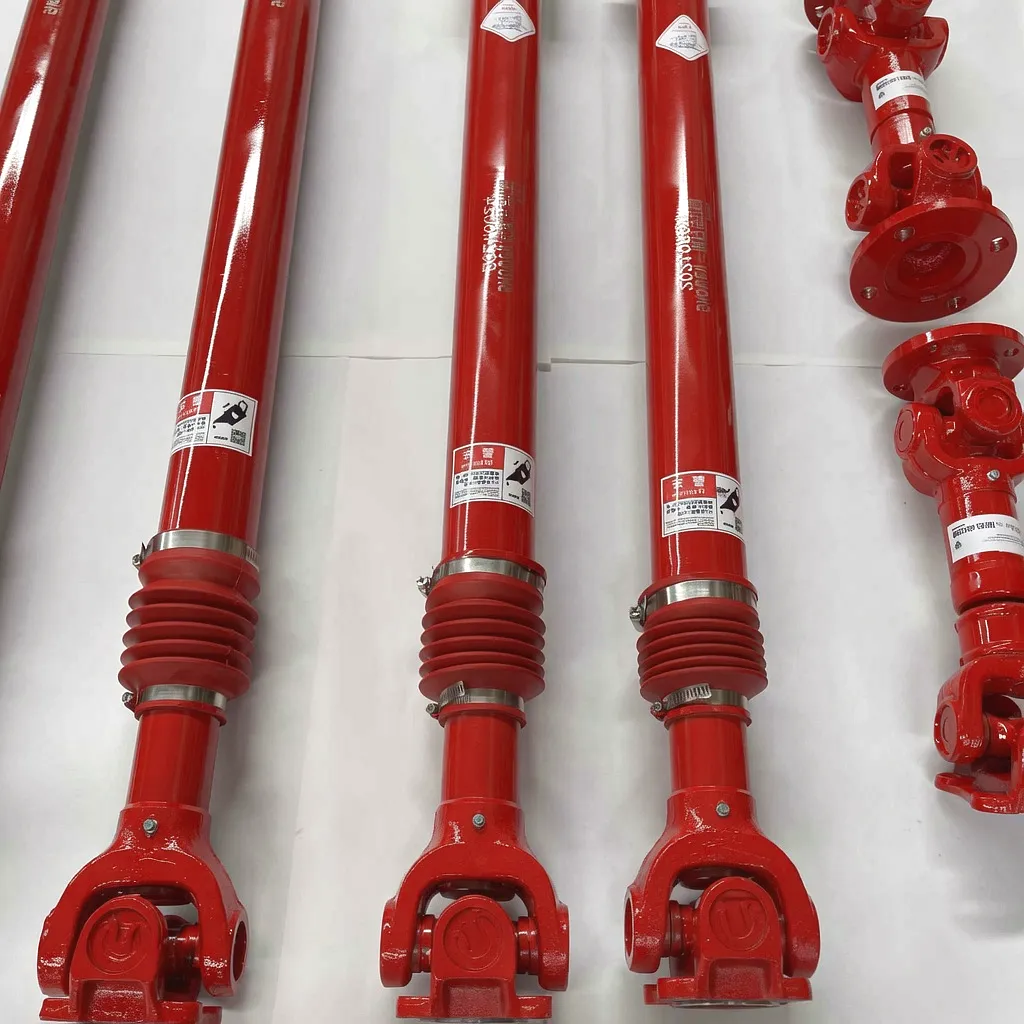
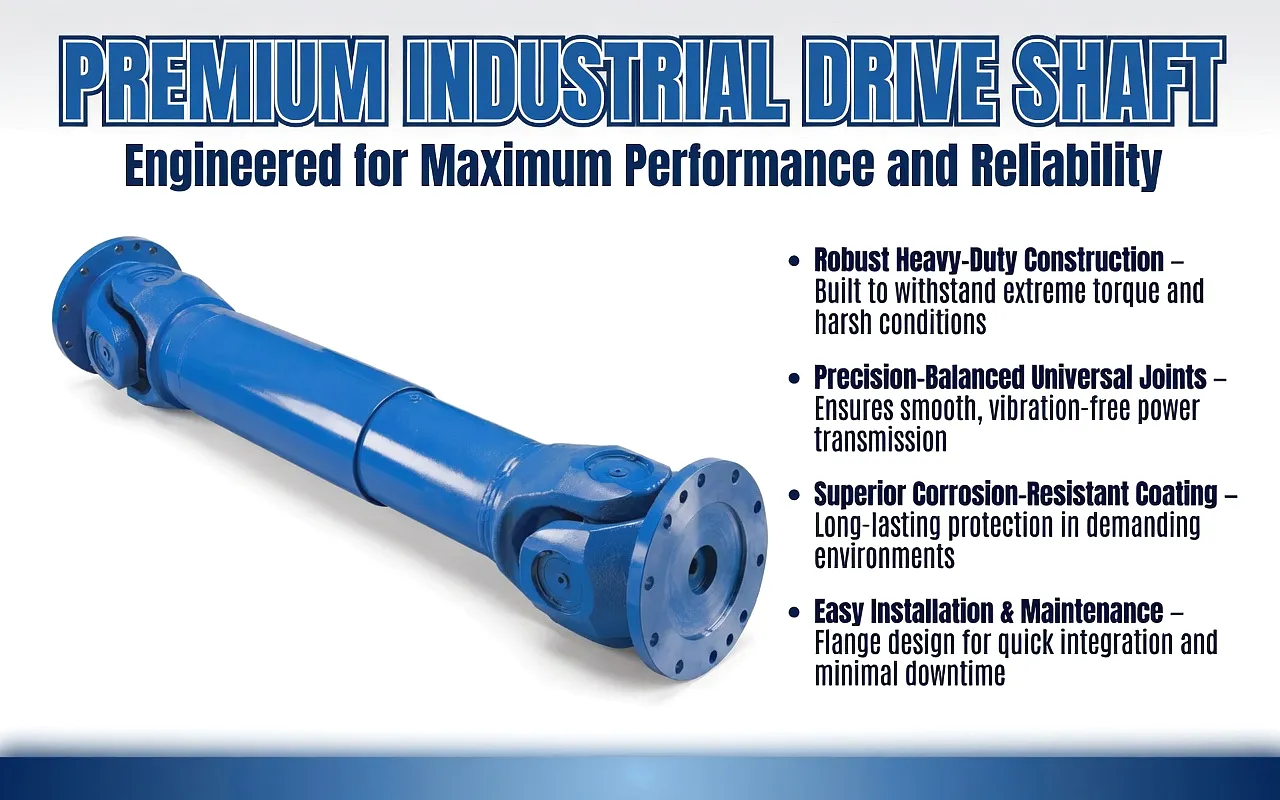
Every PTO shaft in our port series is manufactured from 42CrMo4 alloy steel, selected for its combination of high tensile strength, good fatigue resistance and suitability for surface hardening. The outer tube receives a two-stage corrosion protection process: a zinc phosphate conversion coating followed by a high-build epoxy primer and a marine-grade polyurethane topcoat. This system provides a minimum salt spray resistance of 1,000 hours to ISO 9227, making it genuinely suited to continuous exposure in coastal UK harbour environments where standard painted finishes fail within months. Cross-journal bearings use sealed-for-life needle roller assemblies with NLGI 2 lithium complex grease, and the spline sleeve section is supplied with a dedicated grease nipple system for scheduled maintenance intervals aligned to the port’s planned maintenance programme. The result is a PTO shaft that maintains its specified performance through multiple seasons without the corrosion-accelerated degradation that plagues standard agricultural-grade products pressed into port service.
High-Torque Universal Joint Design
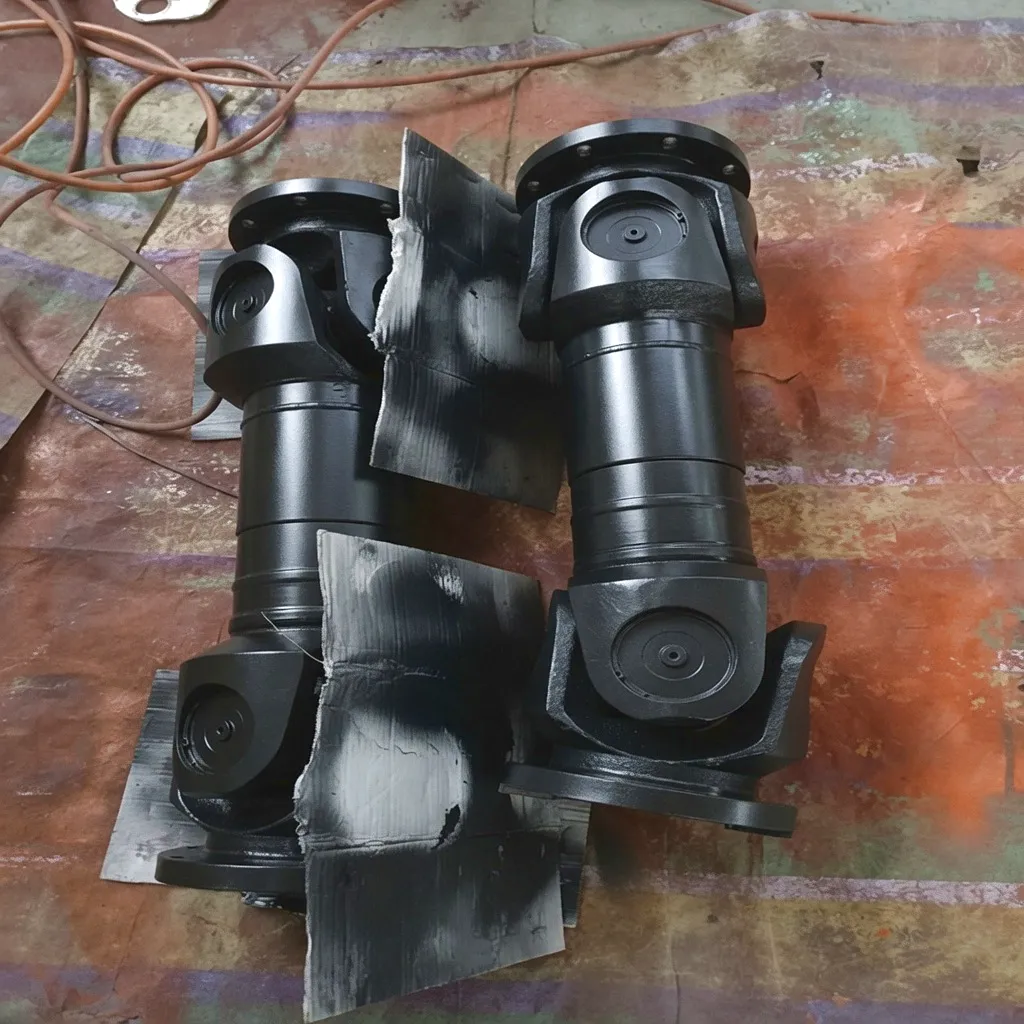
The cross-and-yoke universal joint design used in port-series PTO shafts is rated for substantially higher dynamic torque than the nominal shaft rating. Forged steel yokes machined from solid billet replace the stamped sheet-metal yokes found in lighter-duty shafts, and trunnion bearing caps are retained with retaining rings and bolted end-caps rather than circlips alone — an arrangement that provides far greater resistance to the axial forces generated during crane trolley deceleration events. For applications requiring wide angular deflection, such as reach stackers with extensive articulation requirements, we offer wide-angle constant velocity (CV) joints as an alternative to conventional Hooke’s-joint arrangements, eliminating the cyclic velocity variation that causes vibration and bearing fatigue at operating angles above 8 degrees.
Precision-Balanced for Vibration-Free Operation
Every assembled PTO shaft in the M, H and XH series is dynamically balanced on a precision balancing machine to residual imbalance limits of G6.3 or better to ISO 21940. In port crane drives, where shafts can operate at speeds of 400 to 750 RPM over long shaft spans, even small residual imbalance translates into significant bearing loads and structural vibration transmitted into the crane frame and gearbox housing. Vibration at these frequency ranges causes premature bearing raceway fatigue, loosening of fastened connections, and in severe cases, structural fatigue of the crane boom connection plates. Dynamic balancing is not a standard feature of catalogue drive shafts but is a non-negotiable requirement for every PTO shaft we supply into crane and conveyor drive applications.
Full Customisation to Terminal-Specific Interfaces
Port automation systems rarely use standard interface geometry. Crane gearboxes from Stahl, Demag, Konecranes and similar suppliers use proprietary flange and spline profiles that do not correspond to standard agricultural PTO dimensions. Our manufacturing capability covers metric and imperial spline profiles, SAE and DIN flange configurations, custom keyway arrangements and non-standard shaft-to-shaft coupling interfaces. Customers supply their interface drawings — in DXF, STEP or PDF format — and our engineering team produces a detailed proposal within 48 hours. Lead times for custom port-series PTO shafts are typically 15 to 25 working days from drawing approval, with expedited 10-day production available for terminal emergency situations.
Integrated Overload Shear Protection
Automated port machinery generates severe shock loads during emergency stops, container twistlock engagement failures and overhead obstruction strikes. Without protection, these shock loads transmit directly to gearbox output shafts and motor couplings, causing damage that costs far more to repair than the PTO shaft itself. Our port-series shafts can be specified with integrated shear-bolt torque limiters, friction-disc clutches or cam-profile overload couplings depending on the specific shock load profile and reset requirements of the application. Shear-bolt limiters are most commonly specified for conveyor drives where automatic reset is undesirable; friction-disc torque limiters are preferred on crane main hoisting drives where automatic re-engagement after overload is acceptable. Both options are available with adjustable trip torque settings, allowing the protection threshold to be tuned precisely to the machine’s designed peak torque.
Full Documentation Package for UK Compliance
Terminal operators in the UK must satisfy Port Safety Regulations, LOLER requirements, and the Machinery Directive requirements that still apply to equipment placed on the market in Great Britain. Every PTO shaft we supply for port use ships with a full documentation package: CE Declaration of Conformity (for export), UKCA marking documentation for GB market, material certificates to EN 10204 3.1, dimensional inspection report, dynamic balance certificate, and a maintenance instruction manual specific to the shaft model. For terminals operating under DNV, Lloyd’s Register or Bureau Veritas survey, we can provide third-party witnessed inspection and a survey statement on request — a capability that very few drive shaft suppliers in the UK market are positioned to offer.
PTO Shaft Applications Across the Modern UK Port
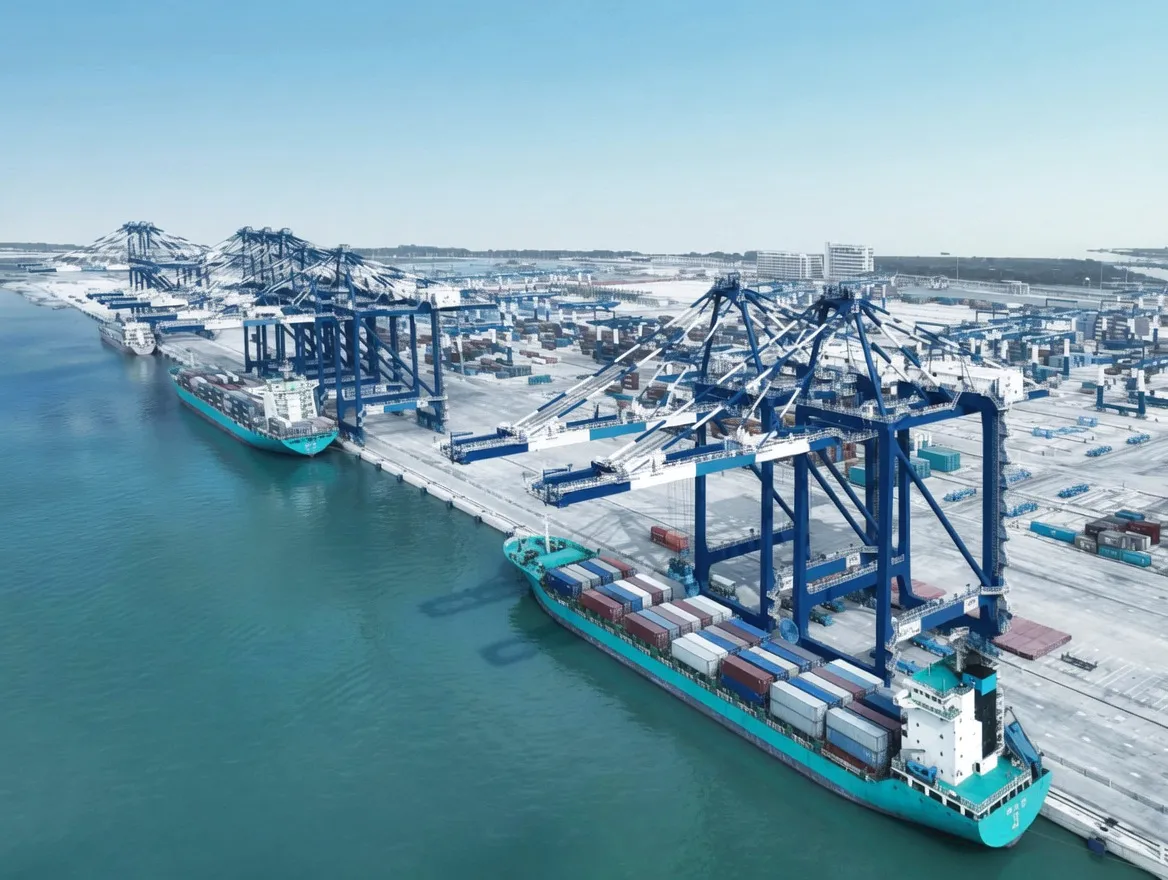
🏗 Ship-to-Shore (STS) Crane Main Drives
Ship-to-shore cranes are the workhorses of container terminal throughput, and the PTO shaft connecting the main hoist gearbox to the trolley drive or long-travel drive represents one of the most highly loaded mechanical components in the machine. At UK terminals handling Panamax and Post-Panamax vessels, hoist drives can exceed 500kW per axis, and the shock loads generated during container pick-and-place cycles demand XH-series PTO shafts with integrated torque limiting and Class IV rated universal joints. Shaft lengths on STS crane spreader drives can reach 2,400mm extended, requiring carefully designed two-section telescoping assemblies with external tube diameter up to 180mm to maintain adequate torsional stiffness and prevent resonance within the operating speed range.
📦 Automated Stacking Crane (ASC) Drives
ASC systems operate at high cycle rates — often performing 25 to 35 moves per hour — across stacking blocks that can span hundreds of metres. The gantry travel drives on modern ASCs use electric motors feeding through helical bevel gearboxes to the rail-wheel drives, and the connecting PTO shafts must accommodate the angular misalignment created by rail wear and structural deflection of the gantry portal frame under load. H-series marine-grade PTO shafts with wide-tolerance spline sleeves and self-aligning cross joints are the standard specification for this application. The continuous-duty cycle and the demanding lubrication environment — open to airborne grit from container surfaces — also make sealed-for-life bearing systems particularly valuable in ASC applications at UK terminals.
🚚 Reach Stacker & RTG Crane Wheel Drives
Rubber-tyred gantry cranes and reach stackers present an interesting variant of the port PTO shaft challenge — the drive shafts must accommodate substantial angular articulation as the machine travels over uneven terminal surfaces while simultaneously transmitting high torque from the hydrostatic or electric drive motors to the wheel-end planetary drives. Angular deflections of up to 18 degrees are common on RTG travel drives, and this demands constant-velocity (CV) joint designs rather than standard Hooke’s joints to prevent the velocity ripple that creates vibration at high deflection angles. Our CV-joint PTO shaft range for RTG and reach stacker applications is available with plunge lengths of up to 600mm to manage the suspension travel seen on pneumatically cushioned crane bogies.
📜 Belt Conveyor & Bulk Handling Systems
UK ports handling bulk commodities — grain at Hull, coal and biomass at Immingham, aggregates at smaller coastal wharves — rely extensively on belt conveyor systems driven through gearboxes connected to their motors by PTO shafts. These applications are characterised by high continuous torque at low-to-medium speeds, with infrequent but severe shock loads during belt start-up against a fully loaded inclined section. M-series and H-series PTO shafts with shear-bolt protection are standard in these installations. Where conveyor drives are located in confined sub-structure pits — a common feature of older UK port infrastructure — compact design is a priority, and our short-flange compact-series PTO shafts with reduced overall length are particularly appropriate for such retrofit situations.
🌊 Dock Pump & Ballast Water Systems
Pump drives in port environments — covering ballast water transfer, bilge pumping, fire suppression systems and drydock dewatering — demand PTO shafts that operate reliably in the damp, salt-laden underdecks of dock structures and vessel-side pump rooms. These applications are typically continuous-duty at modest torque levels, but the environments can be severely corrosive. L-series and M-series marine-grade PTO shafts with hot-dip zinc inner components and stainless-steel fasteners throughout are the appropriate specification. Where pump alignment is difficult to maintain precisely — as is common in older dock infrastructure where pump and motor foundations settle differentially — the angular compensation offered by universal joint PTO shafts eliminates the shaft misalignment forces that would otherwise accelerate pump mechanical seal wear.
🚢 Port Tug & Vessel Auxiliary Drives
Port tugs and harbour service vessels use PTO shafts extensively to drive fire pump systems, deck winches, anchor windlasses and hydraulic power units from the main propulsion engine or auxiliary diesel. The marine version of these applications introduces additional considerations beyond standard industrial use: Lloyds Register or DNV class notation requirements, vibration isolation to prevent noise transmission into the vessel hull, and interface compatibility with a wide variety of engine brands including Caterpillar, Volvo Penta, MAN and Cummins. Our custom marine PTO shaft range is designed specifically for vessel auxiliary drives and can be specified with flexible coupling elements at both ends for vibration damping, as well as torsional vibration analysis to confirm shaft natural frequencies are separated from engine firing frequency excitations.
🔧 Engineering Principles & Material Science Behind Port-Series PTO Shafts
Tube Material: 42CrMo4 Alloy Steel
Yield strength 650 MPa minimum in the normalised condition; quench-and-temper treatment raises this to 900–1,100 MPa for the highest torque series. The chromium and molybdenum additions provide hardenability for surface-hardened spline profiles and excellent fatigue strength under cyclic bending-torsion loading, which is the dominant load case in crane drive PTO shaft applications.
Cross Journal: Case-Hardened 20MnCr5
Universal joint cross pieces are machined from 20MnCr5 case-hardened steel to achieve a surface hardness of 58–64 HRC on the trunnion bearing journals, with a core hardness of 28–35 HRC to maintain impact toughness. This differential hardness profile is the reason well-engineered port-series cross joints survive the shock loads that fracture inferior cast cross pieces.
Spline Profile: DIN 5480 Involute Splines
Involute spline profiles to DIN 5480 are standard on all M-series and above PTO shafts. Compared to parallel key-sided profiles, the involute form provides self-centring under load, distributes torque uniformly across all spline teeth, and tolerates slight axial misalignment without localised stress concentration. Tooth flanks are induction hardened and finish-ground to quality class 7 or better.
Surface Protection: Multi-Layer Coating System
Port-series PTOシャフト receive zinc phosphate conversion coating + 60 micron epoxy primer + 60 micron marine polyurethane topcoat. Total DFT: 120 microns minimum. Salt spray resistance exceeds 1,000 hours to ISO 9227. Internal spline sleeve surfaces are additionally treated with a corrosion-inhibiting grease film on assembly, and the dust boot is EPDM rubber rated for temperatures from -30°C to +120°C.

Customer Success: UK Terminal Uptime Transformed
Major UK Container Terminal Eliminates Crane Drive Downtime
South East England · Container Handling · Ship-to-Shore Crane Drive
A major container terminal operating five post-Panamax STS cranes at a South East England port was experiencing repeated PTO shaft failures on two crane hoist auxiliary drives — the power feeds to the spreader control hydraulics. The existing shafts were a standard medium-duty catalogue item sourced from a general mechanical supplier and were failing at the spline junction approximately every four to five months, creating unplanned downtime during peak vessel operations. The terminal engineering manager contacted our UK technical support team after finding an entry on a port engineering forum recommending our marine-grade port shaft range.
Following a site survey at which we measured the actual torque profile using a torque telemetry system fitted to the existing shaft during live crane operations, we identified peak torques of 4,200 Nm during emergency spreader stops — approximately 2.8 times the nominal rating of the installed shaft and marginally above its peak rating. We specified H-series PTO shafts with integrated friction-disc torque limiters set at 5,500 Nm, marine-grade corrosion treatment and sealed-for-life cross joints. The two replacement shafts were manufactured, balanced and documented in 18 working days.
At the time of writing, the replacement PTO shafts have been in continuous service for 26 months without any unplanned intervention. The terminal has subsequently retrofitted the same specification to all five cranes and has reported zero crane-drive downtime attributable to shaft failure in the subsequent operating period — a result that delivered a return on the component investment within the first avoided downtime event.
What UK Port & Terminal Engineers Say
“We specified the H-series marine PTO shafts for our RTG crane travel drives and have not had a single shaft-related failure in two years of operation. The documentation package made our DNV survey completely straightforward. The technical support before the sale was genuinely impressive — they actually visited the site and measured the real operating conditions rather than just quoting from a catalogue.”
— Terminal Plant Engineer, Container Terminal, Port of Tilbury, UK
“Bulk terminal conveyor drives are a constant maintenance challenge. Since replacing our gearbox output PTO shafts with the marine-grade shear-bolt protected units, our belt drive maintenance intervals have doubled and we have eliminated the two or three emergency shaft replacements per year that were previously disrupting our bulk loading schedule. Delivery was exactly on time as promised.”
— Mechanical Maintenance Manager, Bulk Handling Terminal, Humber Estuary, UK
“We needed a replacement PTO shaft for a reach stacker at short notice following an unexpected failure during a busy vessel operation. The team had a correctly dimensioned replacement manufactured, tested and dispatched within ten working days — something our usual suppliers told us would take six weeks. The shaft has been working perfectly for 14 months since installation. We now use them as our standard preferred supplier for all drive shaft requirements across our southern UK terminals.”
— Fleet Maintenance Director, Terminal Operating Company, Southampton, UK
🏭 Manufacturing Capability & Custom Service
Our manufacturing facility operates a dedicated port-industry production cell equipped with CNC tube profiling, robotic welding for yoke assemblies, spline grinding to DIN 5480, and a dedicated paint line meeting marine specification requirements. Production capacity allows port-series PTO shafts from prototype through to small batch production — covering the entire spectrum from a single emergency replacement shaft through to standing orders for terminal fleet maintenance programmes at facilities across the United Kingdom and globally. Our design engineering team works in SolidWorks and can receive customer interface drawings in any standard format; for legacy machinery where original drawings are unavailable, our site survey team can attend UK terminal locations to measure and document existing components. Custom shaft design for port automation covers not just dimensional and material specification, but also torsional vibration analysis, dynamic balance calculation, finite element analysis of yoke and tube stress under the specific load case provided by the customer — engineering rigour that is standard practice in our facility and exceptional by the industry norms of the catalogue supply market.
❓ Frequently Asked Questions
Ready to Specify Your Port Automation PTO Shaft?
Whether you need a standard marine-grade PTO shaft for a UK terminal conveyor drive or a fully bespoke engineered solution for a post-Panamax STS crane, our application engineering team is ready to support your project from initial specification through to installation. We serve port operators, terminal equipment OEMs and maintenance contractors across the United Kingdom — from Felixstowe and Southampton to Immingham and Bristol. Contact us today for a no-obligation engineering review and quotation.
Respond within 48 hours · Custom engineering proposals · UK terminal references available
gzlによる編集